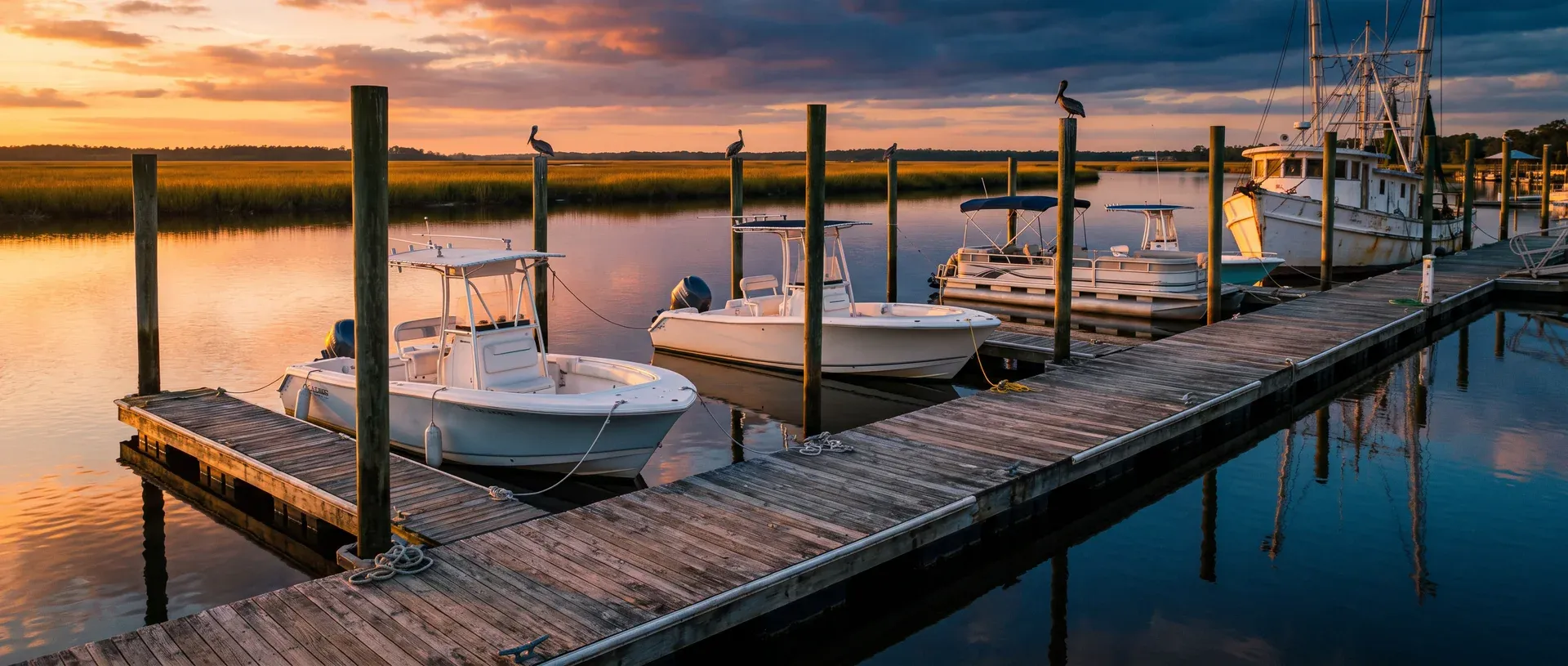
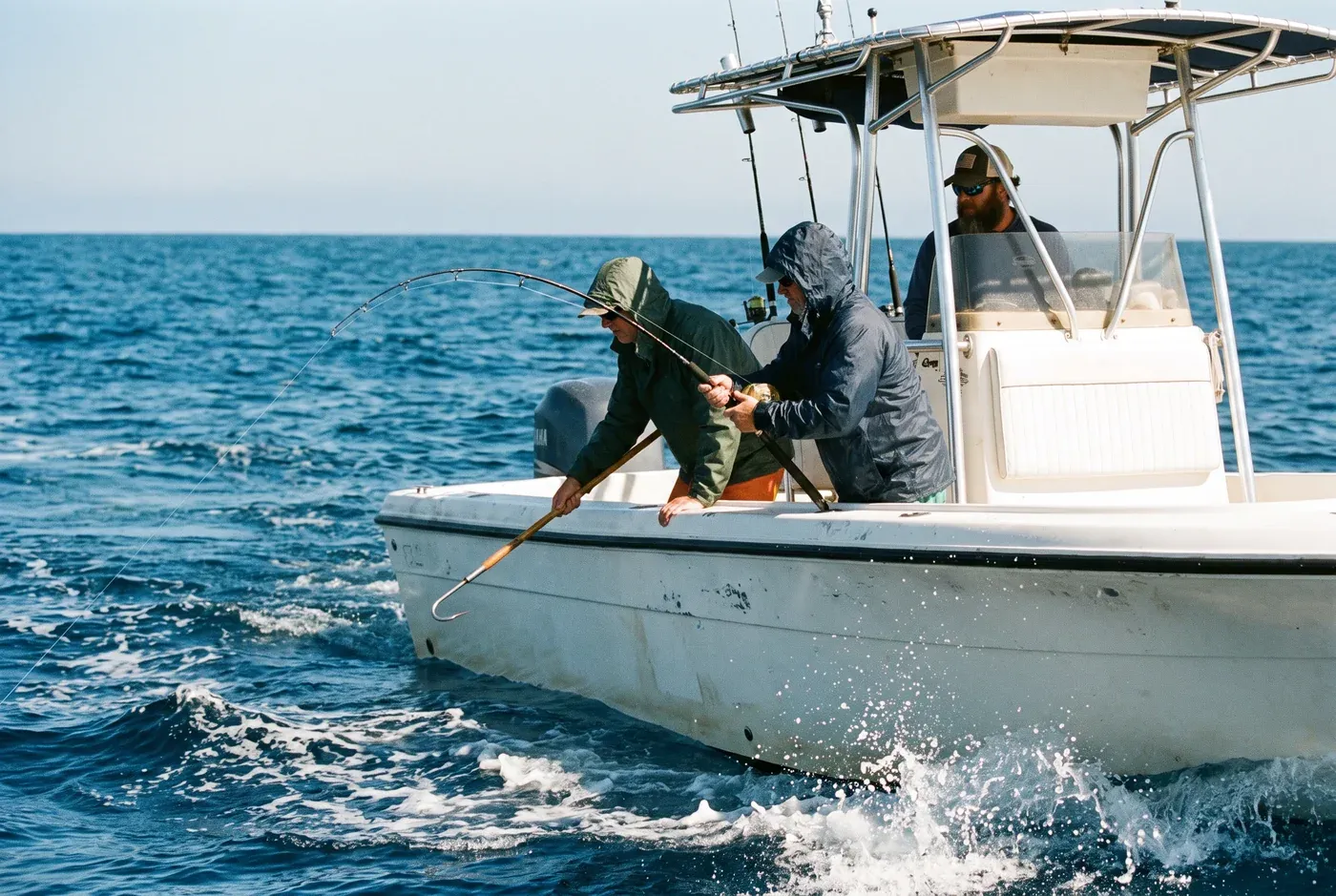
Spotted seatrout are the fish most Steinhatchee anglers cut their teeth on. They live close to the ramp, they hit a soft plastic as readily as live bait, and they are as good on the table as anything on the flats. They are also the species whose rules change most often, which is why it pays to understand how the system works before you keep a fish.
Why FWC revisits the rules
The Florida Fish and Wildlife Conservation Commission sets the seasons, bag limits and size limits for spotted seatrout, and it adjusts them when the science and the reports from the water point the same direction. Trout are vulnerable in ways that are easy to overlook. They gather in numbers when the water cools, they spawn in the passes and along the grass edges, and a hard freeze can set a whole year class back.
When the commission tightens a limit or closes a window, it is usually trying to protect spawning fish and rebuild a stock before the problem becomes obvious to everyone. That can feel like bad news on the day a rule takes effect. In practice, it is part of why the Big Bend flats still fish as well as they do.
The advantage of tighter rules
Steinhatchee sits on some of the best seatrout water in the state. The grass flats out of Deadman’s Bay, the creek mouths and the channel edges all hold fish through most of the year, and protecting that fishery is not an abstract exercise.
- Better average size: fewer fish kept means more trout live long enough to reach the upper end of the slot and beyond.
- Stronger spawning years: leaving fish on the spawning grounds in the passes gives each year class a better chance.
- Faster recovery: a healthy stock bounces back sooner after the cold snaps and poor-water events that hit this coast from time to time.
- Less pressure on a small area: the Big Bend is shallow and easy to reach, so the fish are not hard to find. Rules are what keep easy from turning into empty.
There is a selfish argument here too. An angler who releases a few trout this year is fishing for the trout that will be there in three years, when their kid is old enough to hold a rod.
How to fish within the rules
Before every trip, check myfwc.com for the current spotted seatrout regulations. Limits, seasons and gear rules can change between years, and the commission posts the details, including any regional differences, on its site. What worked two seasons ago is not a safe guide.
- Measure every fish against the current slot before it goes in the cooler, and keep a flat measuring board within reach.
- Release fish quickly, with wet hands, supporting the body rather than hanging it by the jaw.
- Swap trebles for single hooks on lures when you plan to release most of what you catch.
- Keep the photo session short and get the fish back in the water.
Good release practice does as much for the stock as a limit does. On the flats, where the water is often only two to four feet deep, a trout that is handled badly and dropped back has a poor chance. Take your time with the fish you let go.
Where to start
Our dock is about a mile and a half upstream of Deadman’s Bay, so a morning on the flats does not begin with a long run. Stop in the ship store for live bait, soft plastics and ice, and ask what the trout have been hitting. If you would rather learn the water from someone who fishes it every week, we can match you with one of the local inshore captains who work from the marina. For a broader look at the seasons, see our fishing guide.