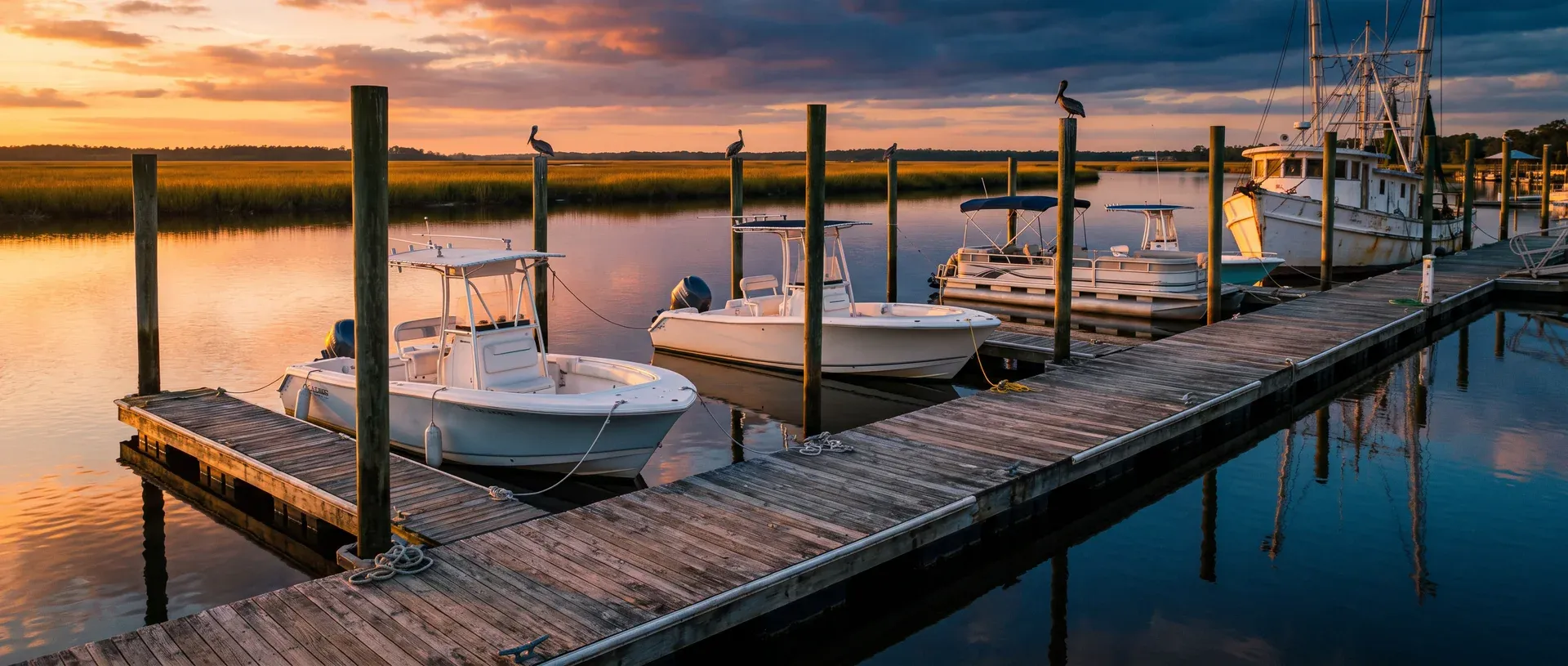
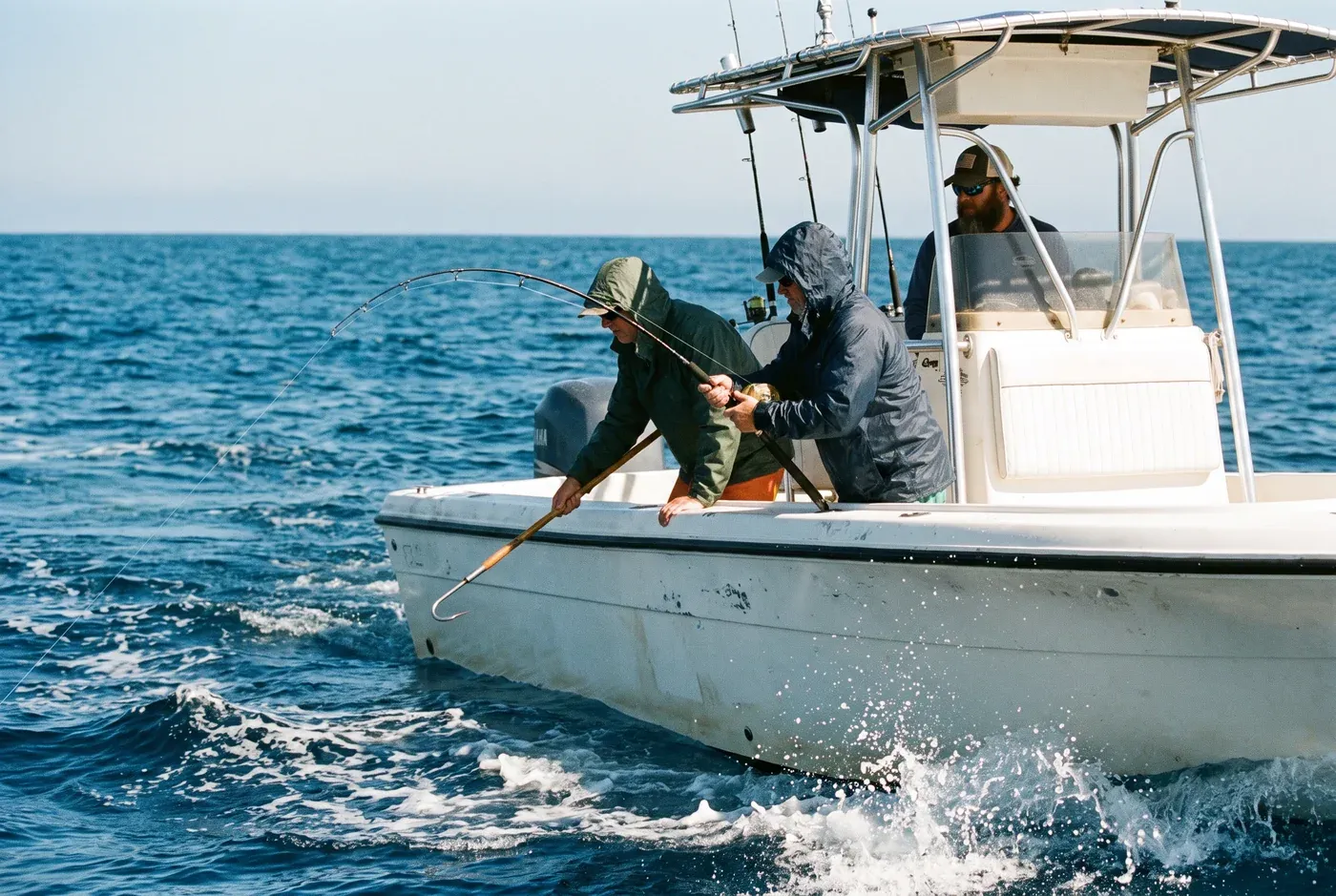
Most slow days on the Big Bend come down to a handful of avoidable decisions rather than bad luck. The fish are there. The tide, the wind or the tackle just was not working in your favour. Here are five mistakes we see anglers make around Steinhatchee, and what to do instead.
The five mistakes
- Fishing water that is not moving. Redfish and spotted seatrout feed when the tide is running, not when it is slack. Plan the day around the tide rather than around breakfast, and be on the flat when the water starts to push or fall. A tide chart and a look at the weather will tell you more than any lure choice.
- Getting too close and spooking fish. The grass flats here are shallow, often only a few feet deep, and a boat running over the top of a school pushes it off the flat. Shut down early, poll into position or drift, and keep your shadow and your noise off the water you are about to fish.
- Fishing tackle that is too heavy. A rod built for offshore bottom fishing will not load properly on a trout, and heavy line dulls the feel of a soft plastic working through the grass. Inshore, lighter line, a smaller jig head and a rod you can cast all day will put more fish in the boat than brute strength.
- Ignoring the wind. The Big Bend is open water, and a wind that feels light at the dock can be a steady chop on the bay by midday. Wind also pushes water and dirties it, which changes where fish want to be. Fish the sheltered side of the flat, set up so the wind works for you, and be willing to move.
- Not checking the rules. Seasons, bag limits and gear rules for redfish, trout, flounder, sheepshead, black drum, snook, tarpon and the offshore species change, and they are enforced. Check the Florida Fish and Wildlife Conservation Commission at myfwc.com before you keep anything, and buy your licence before you launch.
The fix that matters most
If you only change one habit, make it this: slow down and watch the water. Bait spraying, birds working a shoreline, a patch of nervous water or a mullet jumping in a pattern are all clues, and they usually mean fish are nearby. Move until you find that activity, then fish it carefully instead of running from spot to spot all morning.
Local knowledge helps more than any piece of gear. Ask the staff in the ship store what the fish have been hitting and where the bait has been showing, and pick up live bait and ice while you are there. The people behind the counter hear the same reports every day, and they will tell you what is working.
When it is worth learning from a guide
If you are new to the flats, a day with a local captain will shorten the learning curve by a season. More than 20 inshore and offshore captains work from our docks, and we match boaters with an available guide. Reel Song Fishing Charters, run by Capt. Mike Duttenhaver, is based here and specialises in inshore redfish and trout as well as family scalloping trips. He is a second-generation Steinhatchee guide with 15 years on the water, and his father chartered here for 35 years.
Book through our fishing charters page, check the tide before you go on weather and tides, and read more on our Steinhatchee fishing guide. Avoid these five mistakes and a slow day becomes the exception rather than the routine.