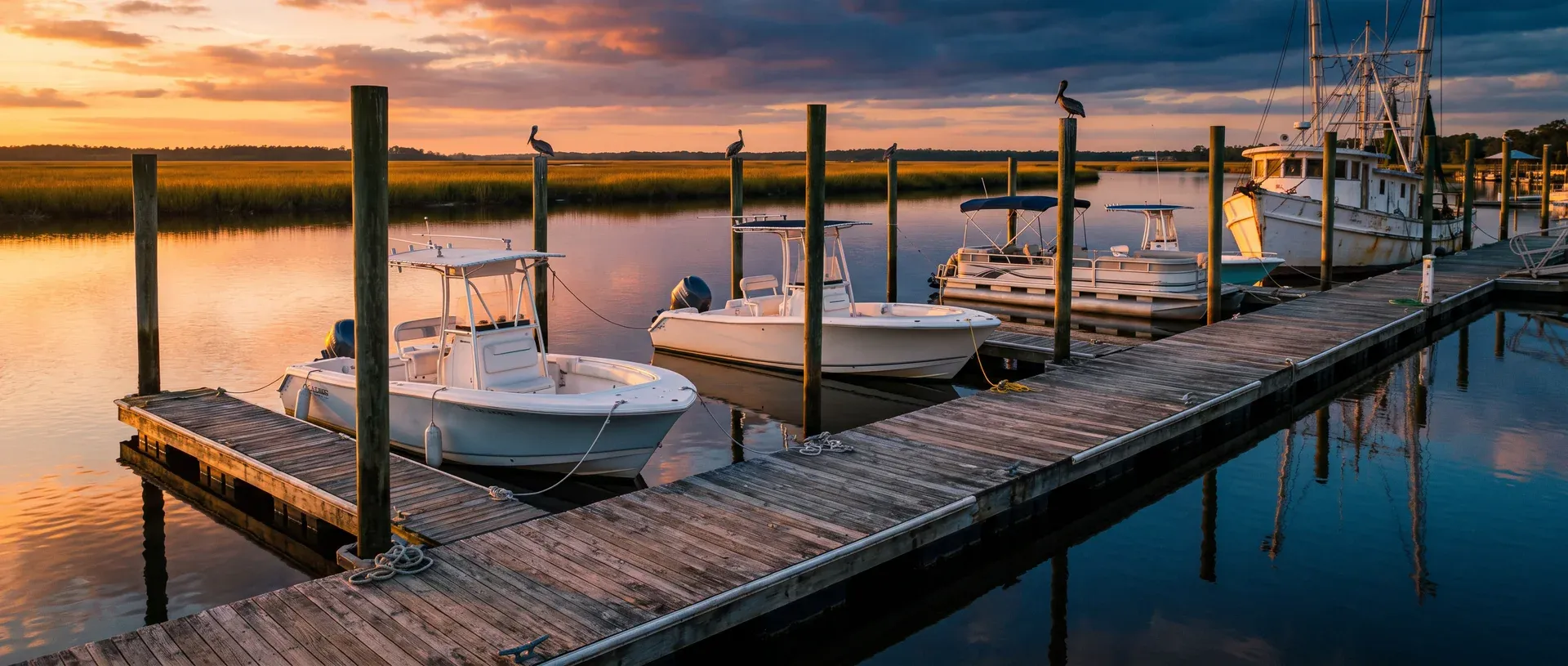
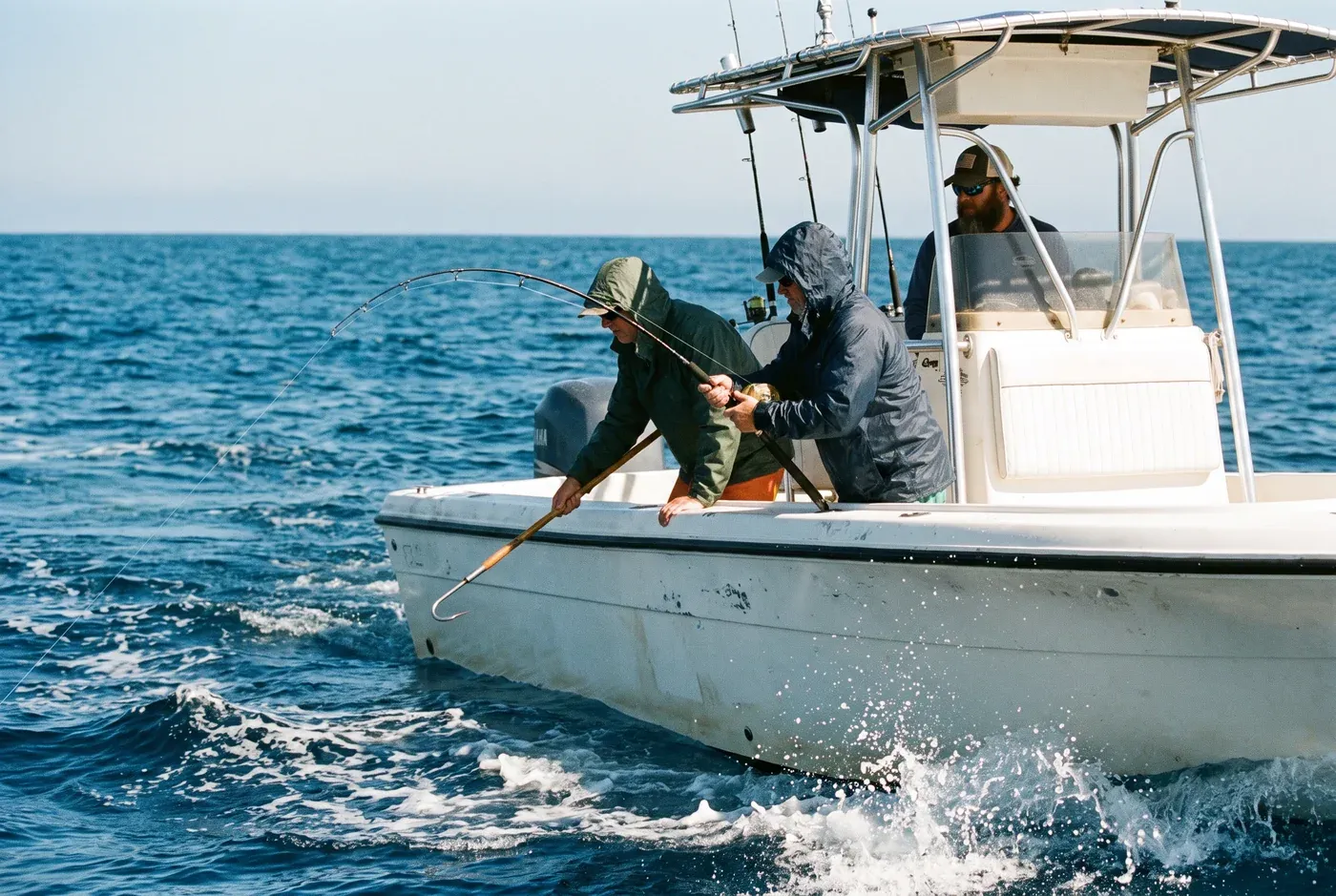
Ask anyone who keeps a boat in Steinhatchee which months they would pick, and a lot of them will say October and November. The summer crowd has gone, the water has cooled, and the flats come alive in a way that is hard to explain to someone who has only fished here in July.
Why the flats turn on
Through the summer, the Big Bend flats are warm and the fish spread out. As fall arrives and the water temperature drops, schools of mullet and pinfish move out of the creeks and spread across the grass. Redfish and spotted seatrout follow that bait, and they feed hard to put on weight before winter. The water often clears as the summer algae settles, which makes it easier to see fish pushing wakes across the flat.
There is a practical side too. Bay scallop season ends on Labor Day, so the boats that crowd the shallows all summer thin out. The ramp is quieter, the river is calmer and you can fish a flat without working around a dozen other boats. Our dock is about a mile and a half from Deadman's Bay, which means you can be on the flats shortly after leaving the slip.
How to fish it
- First light: throw a topwater plug over the grass while the light is low and the water is calm. The strike is the best part of fall fishing.
- Mid-morning: switch to a soft plastic on a jig head and slow the retrieve down. Cooler water means fish are less willing to chase.
- Moving water: the last part of the rising tide and the first of the fall are the classic windows. Fish the edges where the flat drops into deeper water.
- Bait: live shrimp and pinfish are hard to beat, and both are usually available in the ship store.
Match your bait to the size of what is on the flat. Small mullet mean small plugs and lighter jig heads. If you see big schools of finger mullet pushing a wake, a slightly larger bait will not spook them. When the wind drops in the afternoon, it is worth going back to topwater for one more pass before you head in.
Where to start
The Steinhatchee River, Deadman's Bay and the Big Bend grass flats all fish well in fall, and Jena State Beach is another stretch worth working when the wind allows. Start where the bait is, not where you caught fish in August. If you see birds working or bait spraying, ease over and fish the edges of the activity rather than running through the middle of it.
Wind is the variable that decides most fall days. A north wind after a front can clear the water and push fish to the lee shore, while a strong east or west wind muddies the flats and makes the bay uncomfortable. Check the forecast and tide before you leave the dock, and plan a route that keeps you on the sheltered side.
If a cold front is on the way, fish the day before it arrives. The falling pressure and the last of the warm water usually produce a good bite, and the day after the front can be slow until the water settles again.
Before you go
Seasons and bag limits for trout and redfish are set by the Florida Fish and Wildlife Conservation Commission and can change, so confirm the current rules at myfwc.com before you keep fish. Bring a jacket for the morning, sunscreen for the afternoon and a licence for both.
If you do not have a boat, our rental skiff is set up for exactly this kind of day, with live wells, rod storage and bench coolers. For the full picture on species, seasons and spots, read the Steinhatchee fishing guide, and check weather and tides the night before. Fall is short here. Do not wait for a perfect forecast.