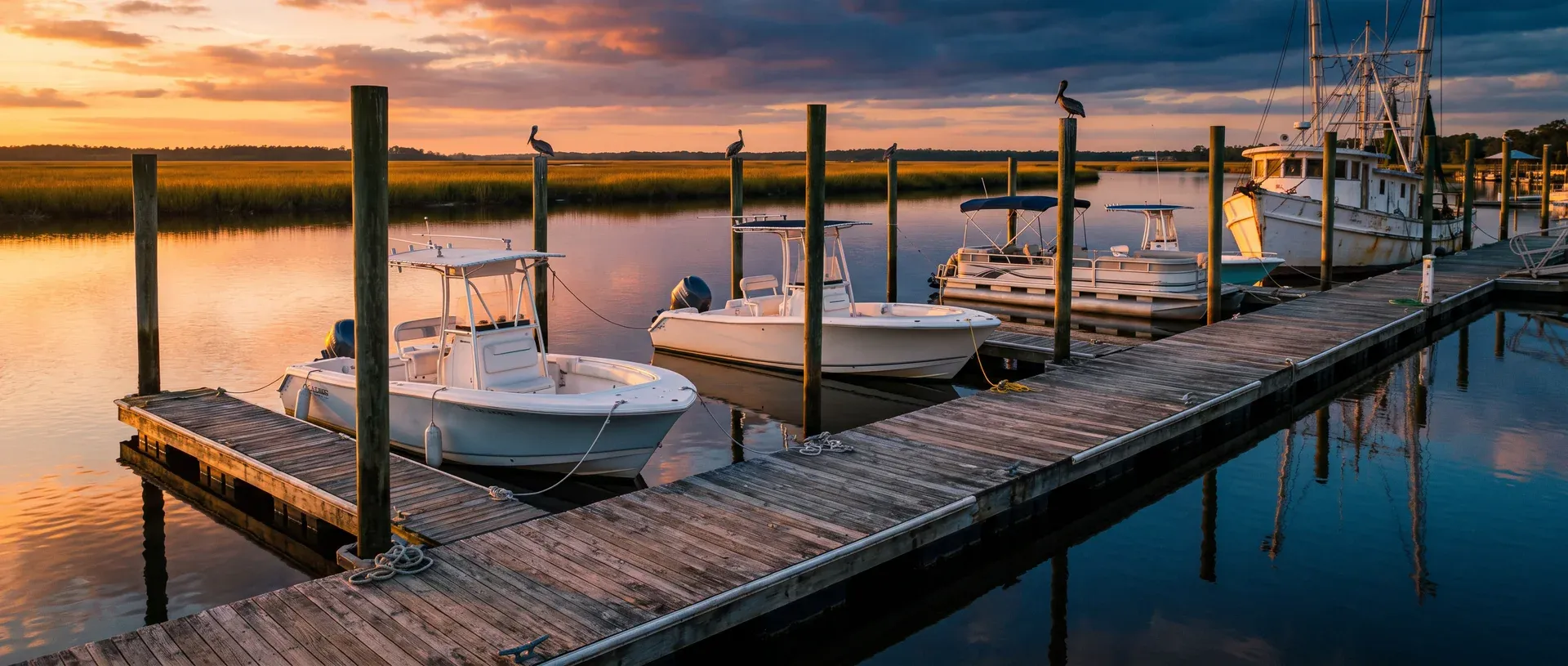
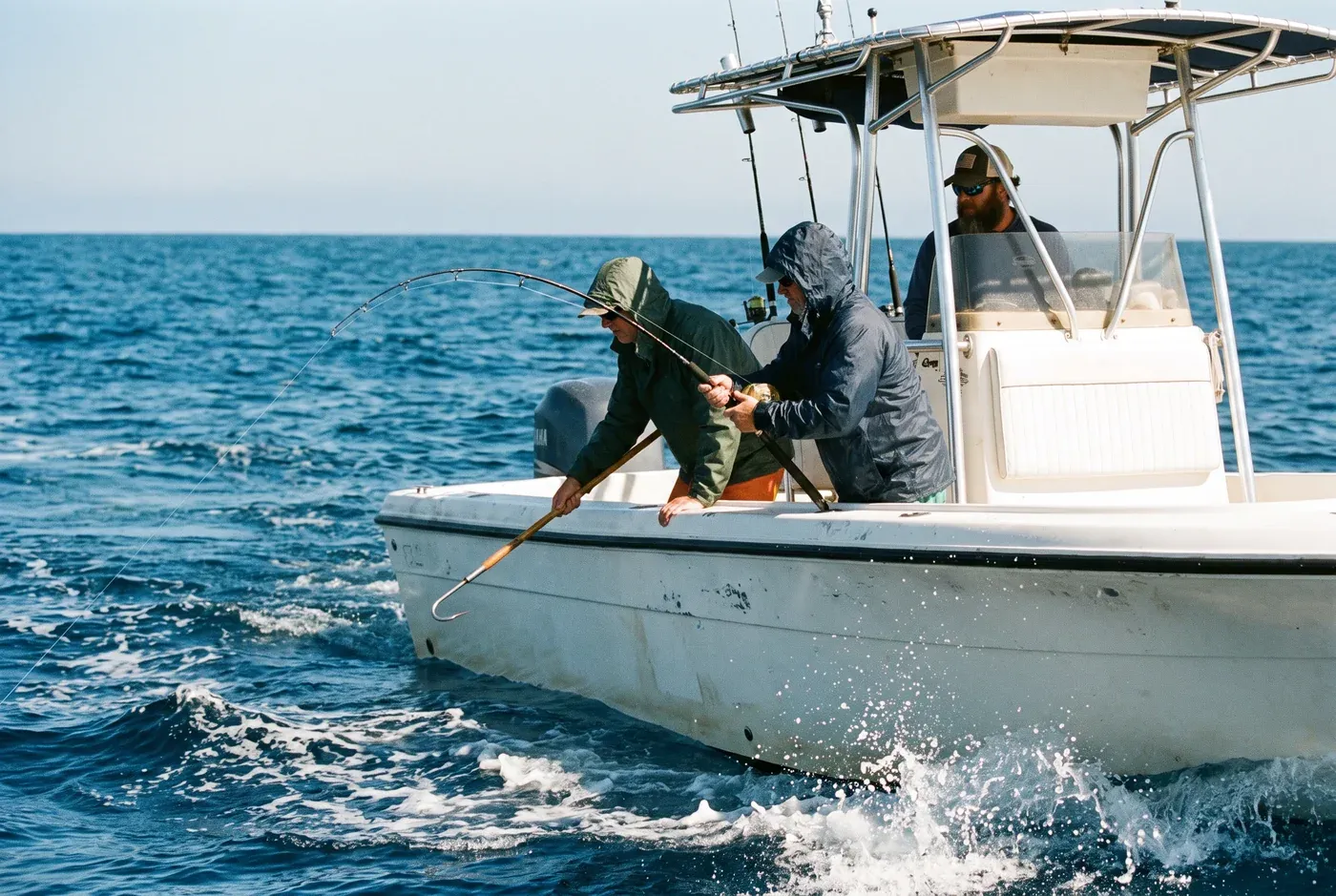
February is the month visitors skip and Steinhatchee regulars quietly look forward to. The summer crowds are gone, the water is clear, and the fish that stay through winter are hungry. Captain Mike Farmer’s February best bets follow a pattern local guides have worked for years: slow down, fish the warm part of the day, and put your bait where the sun has been.
What February usually looks like
Winter on the Big Bend is a cycle of cold fronts and mild days. A front pushes through, the wind swings around and the water cools for a few days. Then the sun comes back, the shallows warm up, and the fishing improves. The anglers who do well in February are the ones who plan around that cycle instead of fighting it.
Cold water is often clear water, and clear water on the flats means spooky fish. Long casts, quiet approaches and natural-coloured baits matter more now than they do in summer. If the water is still murky after a blow, the fish are less fussy and you can get away with a little more.
The fish are also concentrated. Trout and redfish do not spread across the whole flat the way they do in October. They hold in the deeper edges, the darker-bottom pockets and the channels that stay a degree or two warmer. Find one of those spots and you may find a lot of fish in a small area.
Slow down the presentation
In cold water, a fish will not chase a fast-moving lure across the flat. It will eat something that comes past its nose at a pace that feels natural. That is the single most useful adjustment you can make in February.
- Live bait: fished slowly on a light leader, either under a float or on the bottom near structure.
- Soft plastics: dragged and paused rather than ripped, with long stops that let the tail do the work.
- Hard baits: slow-sinking or suspending lures worked with long pauses, especially over dark bottom.
- Sheepshead: a small piece of shrimp or crab dropped tight to pilings and rocks.
Resist the urge to speed up when nothing happens. In February, the angler who slows down usually wins.
Fish the afternoon
Mornings in February can be cold and flat. The water temperature often peaks in the early afternoon after a few hours of sun, and that is when the flats come alive. If you only have one window, take the middle of the day: late morning through mid-afternoon, when the light is high and the shallows have had time to warm.
Watch the wind as closely as the clock. A light southerly will warm the water and push bait onto the flats. A hard norther after a front will do the opposite. Check the forecast before you leave and again at the dock; our weather and tides page is a good first stop.
Where to start, and when to call a guide
Work the deeper edges first, then move shallower as the day warms. On the Steinhatchee River, the channel edges and dock structure hold fish through the winter. Out in Deadman’s Bay and along the Big Bend flats, look for darker bottom and protected water where the sun can do its work.
If you are new to winter fishing, a morning with a guide shortens the learning curve considerably. More than twenty captains work from the marina, and we can match you with one who knows the February pattern. Start with the charter page, and read the fishing guide for the seasonal picture.
February will not give you a hundred-fish day. What it gives you is quiet water, clear light and a chance at a big trout if you are patient. That is a fair trade.