The best anglers in Steinhatchee are not the ones with the most tackle. They are the ones who show up ready, with a plan for the tide and everything they need already aboard.
Preparation is the least glamorous part of fishing and the one that changes the day most. A missing license, a dead battery, no ice for the catch or a tide that turns two hours before you launch can turn a good trip into a short one. Here is the checklist we would give a friend.
Before you leave the house
- License: buy or renew your Florida saltwater fishing license and check the current rules for the species you plan to keep. FWC sets seasons, sizes and bag limits.
- Weather and tide: check both, and plan the day around the tide rather than around breakfast. Our weather and tides page has the links.
- Float plan: tell someone where you are launching, where you are fishing and when you will be back.
- Fuel: top off the truck and the boat before you hitch up. Running out on the water is a long wait and an expensive tow.
- Trailer: check the tyres, lights, hitch and safety chains. A trailer problem at the ramp ruins the morning before it starts.
What goes in the boat
Pack for the day you are actually going to have, not the one in the brochure. A cool morning can turn hot by noon, and a calm morning can turn windy by two.
- Rods, reels and spare line, plus leader material and extra hooks
- Weights, jig heads, swivels and a few hard baits or soft plastics
- Live bait or cut bait, kept cool and aerated
- Pliers, a knife, a towel and a trash bag
- Cooler with ice, drinking water and food
- Sunscreen, hat, sunglasses and rain gear
- First aid kit, phone in a dry bag, and a VHF radio if you have one
- Life jackets for everyone aboard, sized to fit
The night before
Charge the trolling motor batteries and the electronics. Fill the livewell and check the pump. Spool fresh line if yours is old or kinked. Lay out clothes and tackle so the morning is a matter of loading, not hunting. If you are renting, confirm your pickup time and bring the deposit and your boater safety certificate if you need one.
A five-minute review of the boat saves an hour at the ramp: plug in, straps off, motor started on the muffs or in a bucket, lights working, kill switch attached. Do it at home where you have tools and light.
Check the rules for the species you plan to keep before you leave, not after the fish is in the cooler. Size limits and seasons are easier to follow when you have read them once with coffee in hand.
At the ramp
Prep in the staging area, launch efficiently, and move clear once the boat is off the trailer. Check that the plug is in, the engine is peeing water, and the gear is stowed before you leave the no-wake zone. Then go fishing.
Take a photo of the trailer and tow vehicle if you are parking somewhere unfamiliar. It sounds trivial until you are looking for a grey truck in a full lot at the end of a long day.
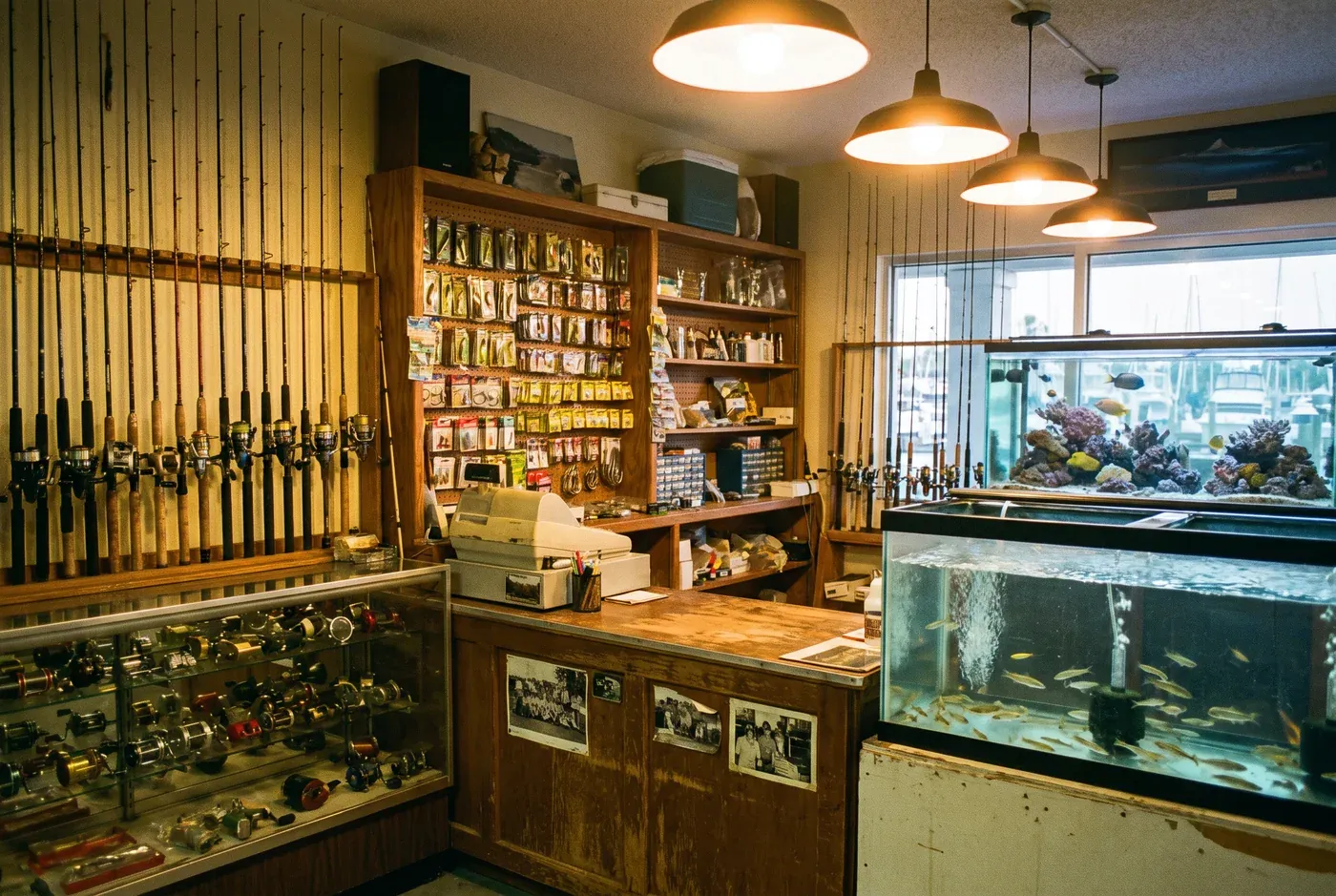
Our ship store stocks live bait, line, tackle, ice and the small items that get left behind, and the staff can tell you what has been biting. The fishing guide covers the grounds and the seasons. Show up ready, and the day takes care of itself.