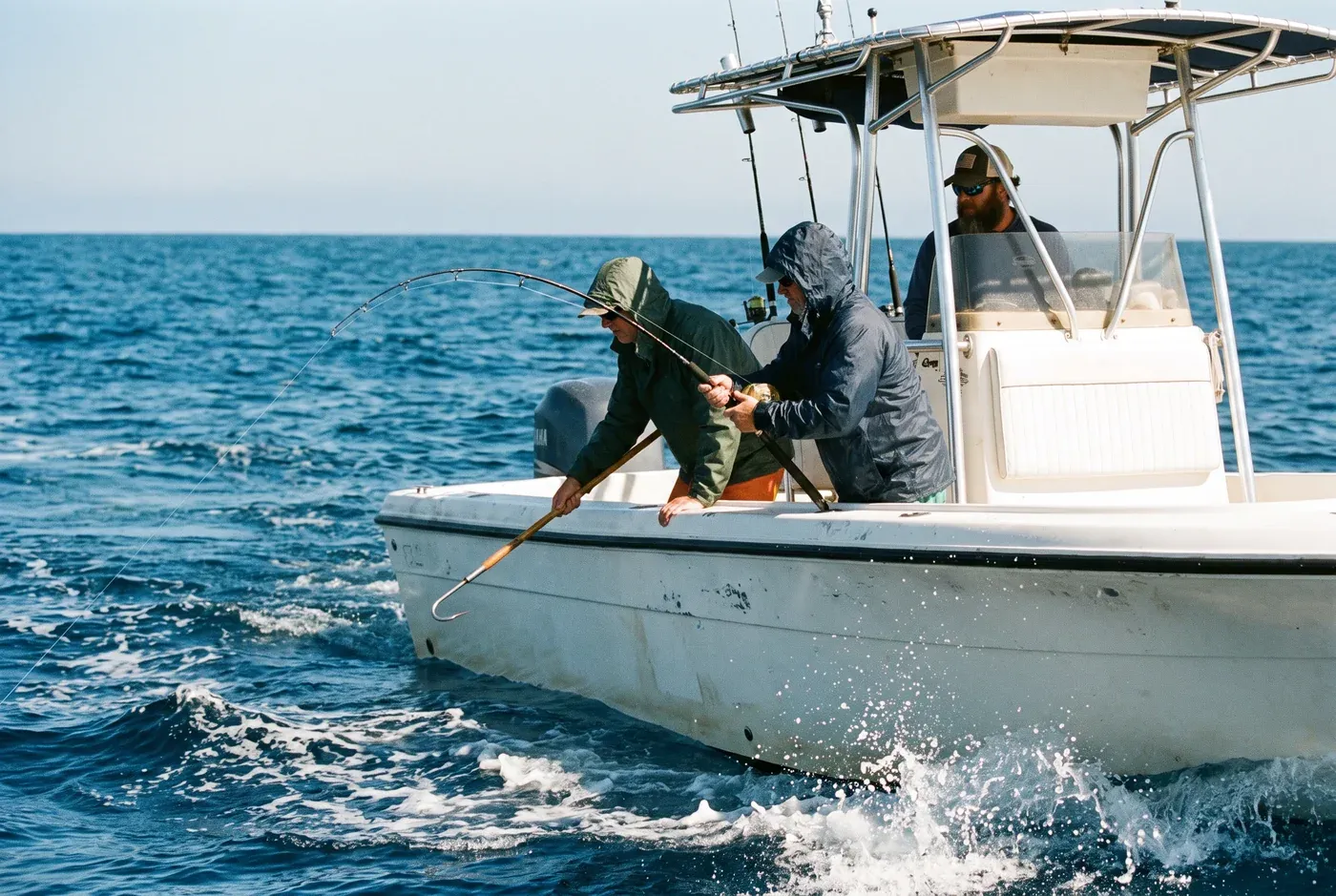
A child’s first fishing trip is not really about fish. It is about whether they want to go again. The trips that work are short, comfortable and full of small wins, with snacks within reach and a plan B for the moment attention runs out. The trips that fail are the ones where an adult tries to fish seriously for six hours while a seven-year-old sits in the sun.
Keep it short and pick easy water
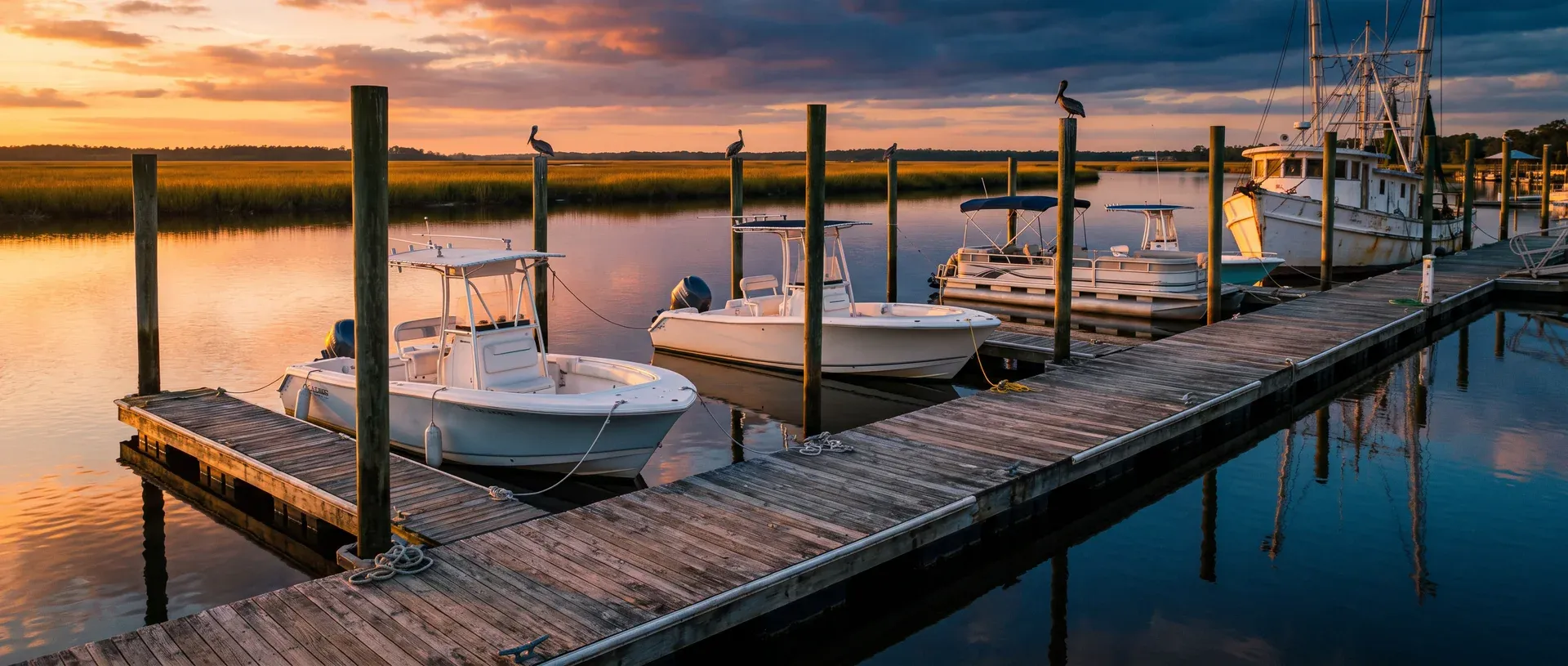
Two or three hours is plenty for a first outing. Leave the dock early, while the water is flat and the light is soft, and plan to be back before lunch. On the Steinhatchee River that is easy to do: you are only about a mile and a half from Deadman’s Bay, and there is fishable water close to the marina.
Choose a spot where something is likely to bite quickly rather than a spot that might produce a trophy. Sheepshead around pilings and dock structure, small trout along the grass edges, and whatever is willing to take a piece of shrimp under a float all keep a child interested. A bend in the rod matters more than the size of the fish.
Target fish that cooperate
- Sheepshead: they hold tight to structure, so a bait dropped straight down beside a piling is often enough.
- Spotted seatrout: small ones feed along the flats and respond well to live bait under a float.
- Whatever is biting: a float, a small hook and a live shrimp will find something on most days, and that is the point.
Check current seasons, sizes and bag limits with FWC before you keep anything. It is also a good moment to teach a child why the rules exist.
The kit that keeps everyone happy
- Life jackets that fit: properly sized for each child and worn for the whole trip, not just the ride out.
- Snacks and water: more than you think. Hunger ends fishing trips faster than wind.
- Sunscreen, hats and sunglasses: the glare on the water is hard on small eyes.
- A bucket: for rinsing hands, holding bait and keeping a small fish calm for a photo before release.
- A towel and a change of clothes: someone will get wet, and it is better if it is planned for.
- Simple tackle: one rod each, a float, a small hook and a pair of pliers. Fewer tangles, more fishing.
Patience, and the celebration rule
Celebrate every catch, including the ones that are barely bigger than the bait. Let the child hold the rod, feel the bite and reel the fish in themselves, even if it takes longer. If the fishing is slow, switch to something else for a while: watch the pelicans on the pilings, look for dolphins in the bay, or take a slow run up the river.
The best thing you can do is fish less and coach more. Untangle patiently, bait the hook without sighing, and let them cast badly for a while. Nobody learns to cast by watching an adult do it perfectly.
Make the day easy on yourself
The 24-foot Carolina Skiff takes up to ten people, has live wells, rod storage, bench coolers and a swim ladder, which covers most of what a family needs for a short morning. If you want someone else to find the fish, the marina works with more than twenty local captains and can match you with an available guide for a family-friendly inshore trip.
Finish with lunch on the water at the Marina Bar & Kitchen. Wings, flatbreads, subs and loaded fries are a reliable reward, and a child who ends the day with a full plate and one fish story will ask to come back. For more on the water itself, our fishing guide covers the river, the bay and the flats.