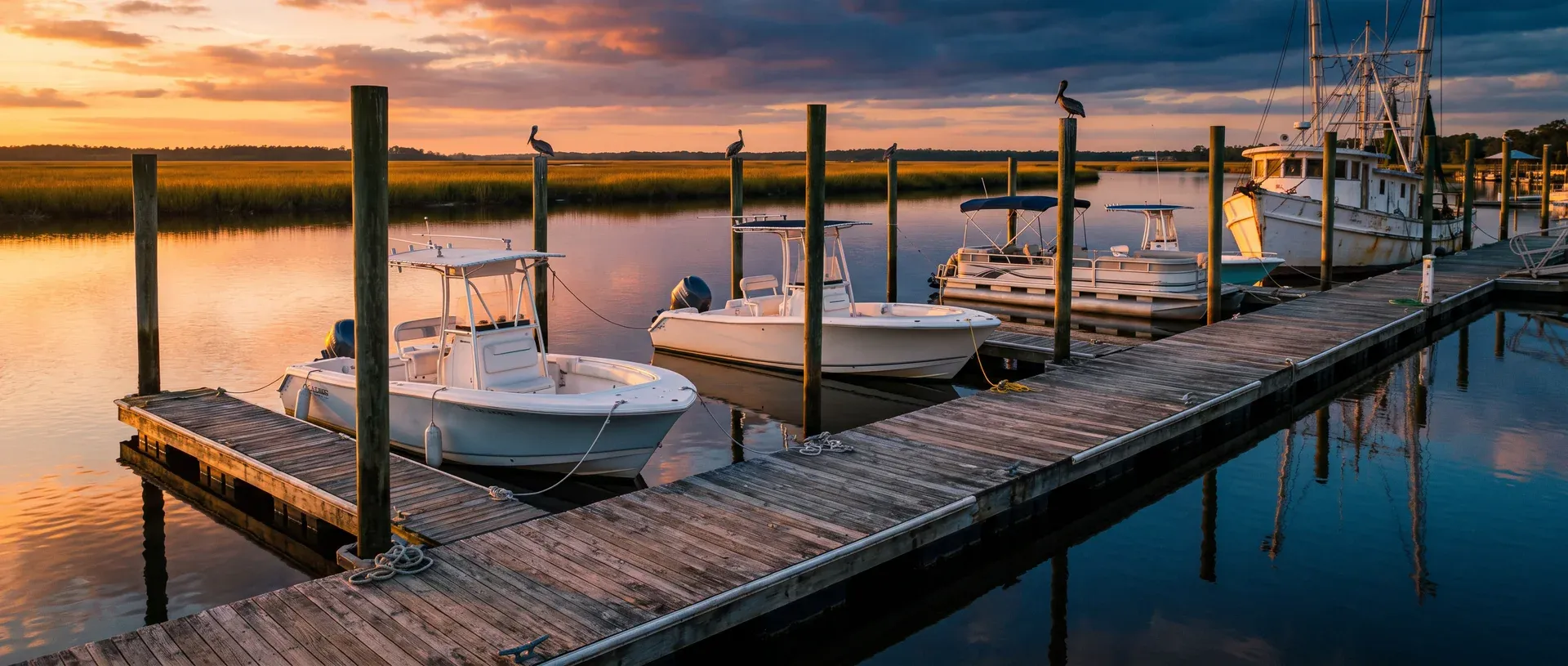
If you learned to fish on a lake, the Big Bend will feel familiar and strange at the same time. The casting is the same. The fish are different, the water moves on a schedule you did not set, and everything metal wants to rust. Here is what changes when you move from freshwater to salt.
Two different rulebooks
The first difference is paperwork. A freshwater fishing licence does not cover you in salt water, and the reverse is also true. Florida sells resident and non-resident licences for each, and the Florida Fish and Wildlife Conservation Commission sets the rules, exemptions and bag limits for both. Check myfwc.com before your trip so you know which licence you need and which species are open. Buying the wrong one is an expensive way to start a day.
Saltwater rules also change more often than most lake anglers expect. Seasons open and close, size limits move and gear restrictions appear, particularly offshore. Treat the rulebook as part of your trip planning, not an afterthought at the ramp.
Gear that survives salt
Freshwater tackle works in the salt, but it will not last unless you look after it. Salt air and spray get into reel bodies, guides and hooks, and a reel that was fine on the lake in June can seize by August. Rinse rods, reels and lures with fresh water after every trip, dry them properly and back off the drag. Replace hooks that show rust rather than waiting for one to fail on a good fish.
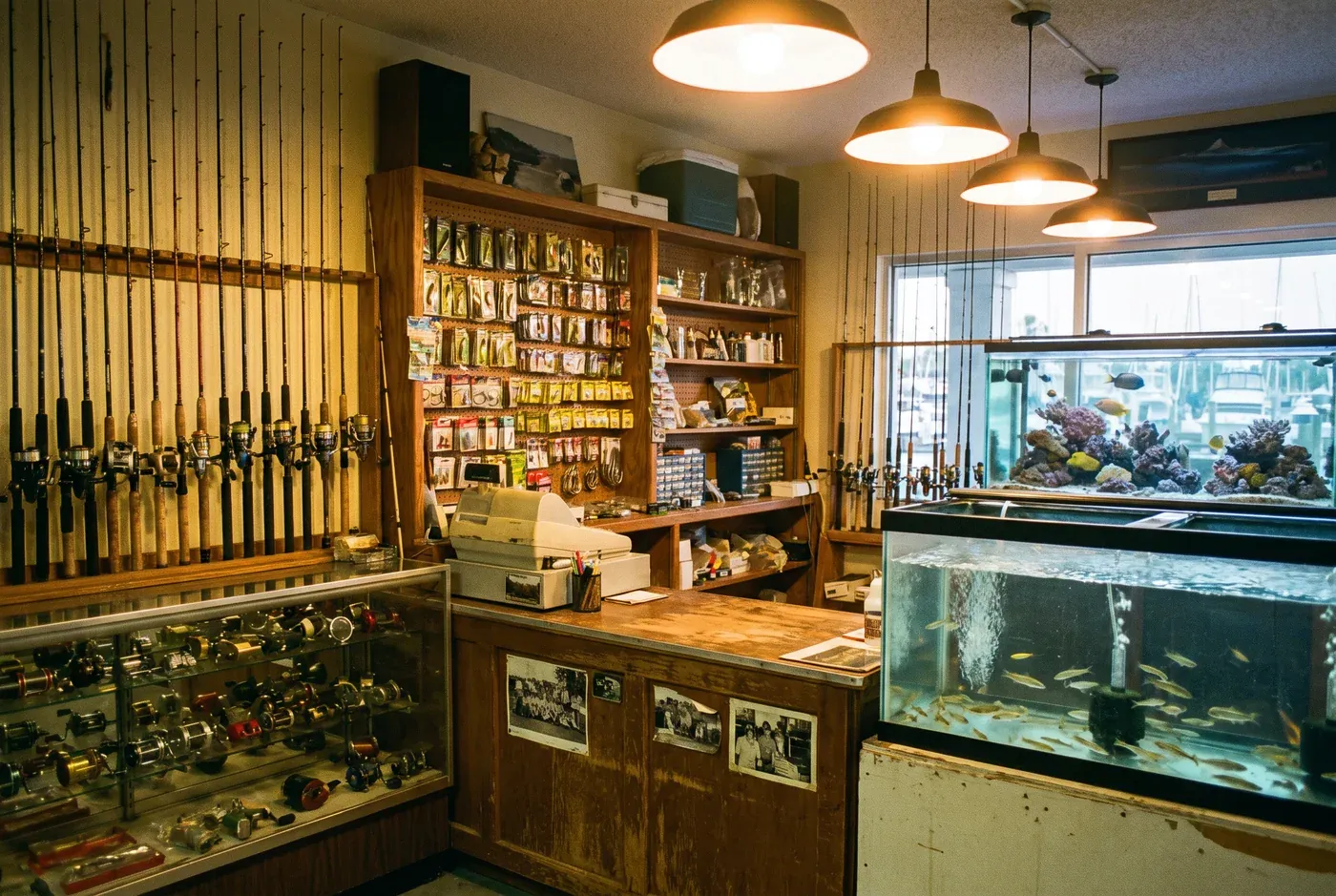
You will also want to think about line and leader. Inshore fishing around Steinhatchee happens over grass and around structure, so a lighter outfit with a fluorocarbon leader usually outperforms heavy tackle. A medium spinning rod you can cast all day, a handful of jig heads and soft plastics, and a pair of pliers will cover most of what redfish and trout ask of you. The ship store stocks line, rods, reels, weights, tackle boxes and fillet knives if you arrive short.
Tides and current instead of structure
On a lake you read points, weed lines and docks, and the water level stays roughly where you left it. On the coast, tide is the structure. The water rises and falls twice a day, current forms around bars and channel edges, and fish position themselves where that moving water brings food to them.
The Steinhatchee River channel carries about 3.5 feet at controlling depth, with roughly 5.5 feet mid-channel, and the grass flats outside the river can be shallower than they look. A falling tide can leave you stranded on a flat that was fine an hour earlier, so check the tide before you run and keep an eye on the clock. Our weather and tides page is the simplest place to start.
Bait works differently too. Live shrimp and pinfish are the staples here, and they are usually available at the dock. Artificials catch fish, but a live bait under a float or on a jig head is the fastest way for a lake angler to get a first bite on the flats.
The easiest way to cross over
You do not have to figure saltwater out alone. A day with a local captain is the fastest education available. More than 20 inshore and offshore captains work from our docks, and we match boaters with an available guide. If you would rather run your own boat, the 24 ft Carolina Skiff comes with live wells, rod storage and bench coolers, and the staff will point you toward water that suits your experience.
Read the Steinhatchee fishing guide before you come, bring a life jacket for everyone on board, and give yourself a day to learn the tide. Lake habits will serve you well here once you add the water to the equation.