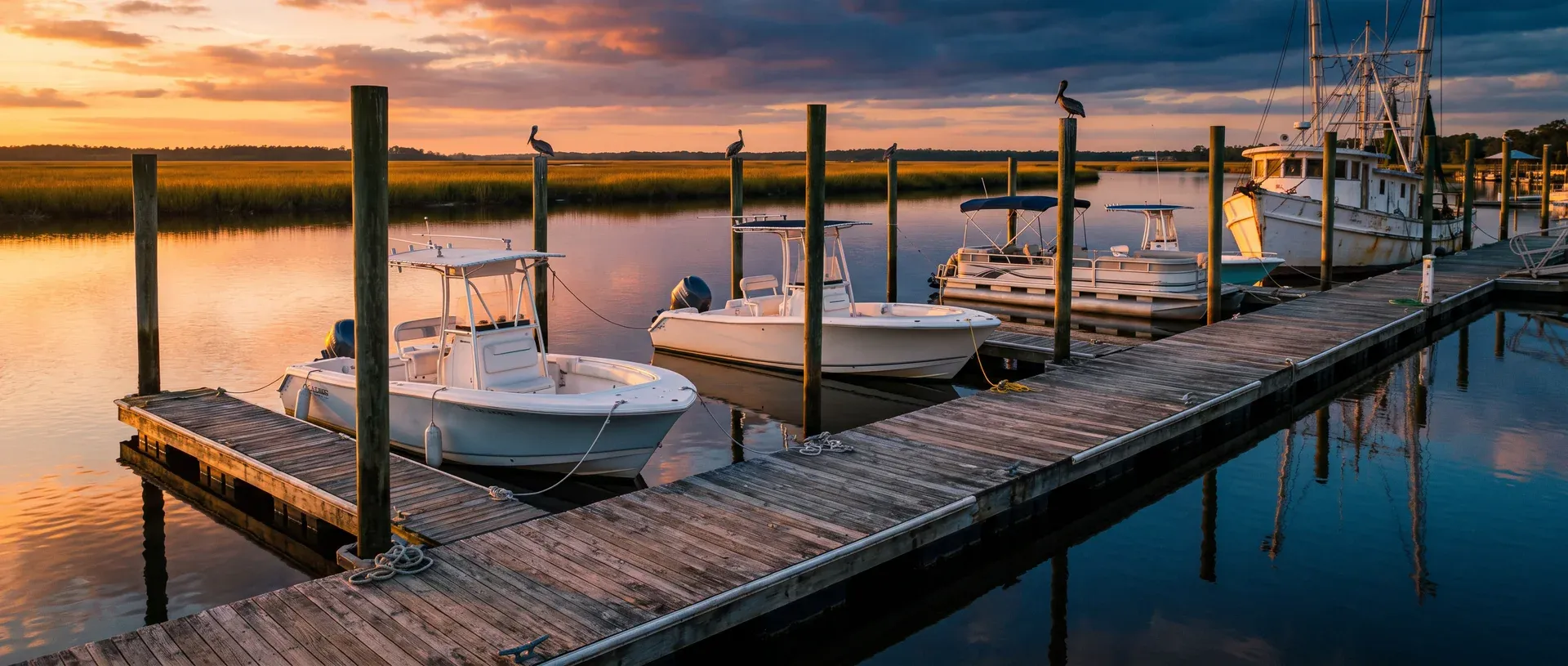
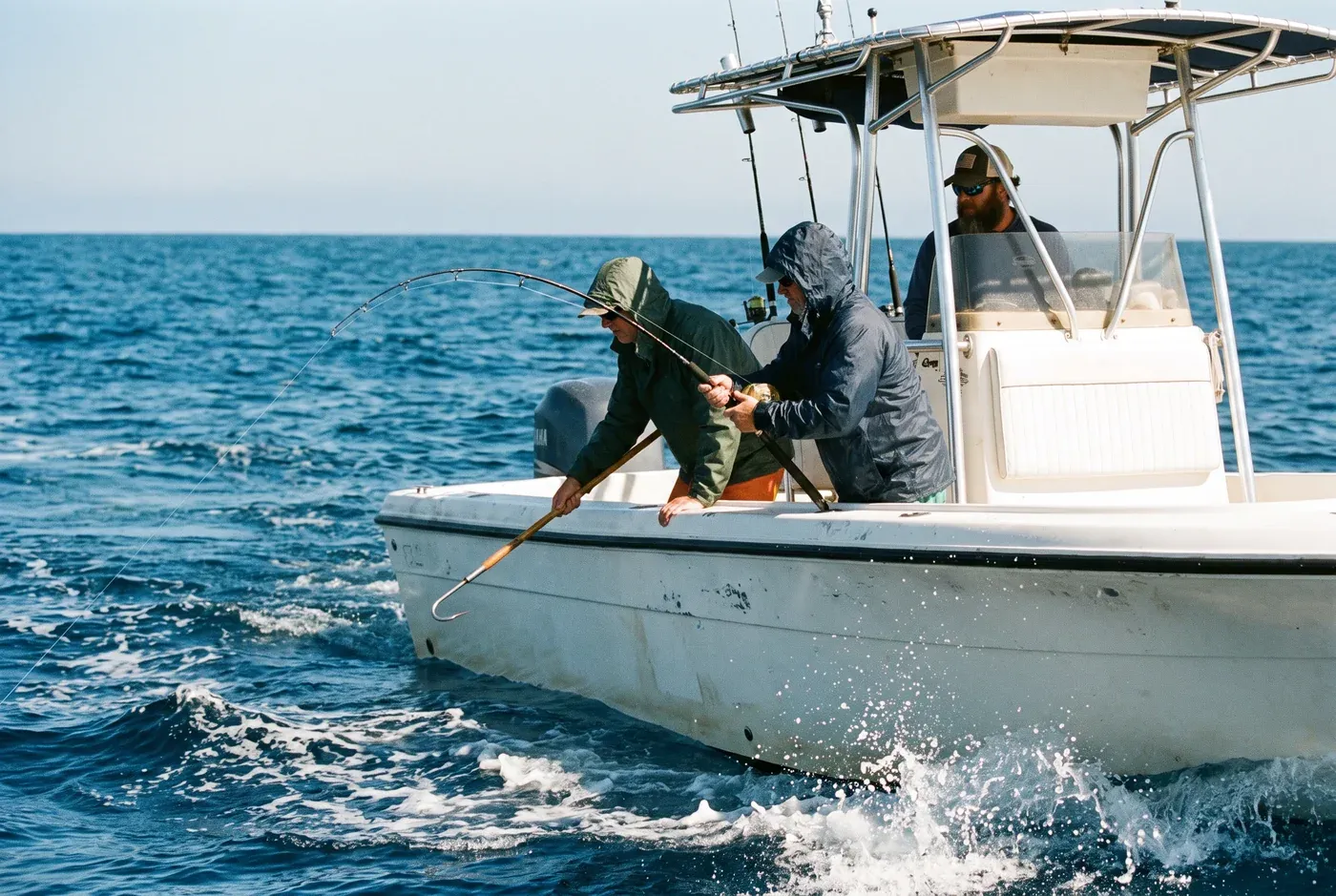
By the time the first cool front pushes down the peninsula, the Steinhatchee flats have been fished hard all summer. Fall is when they start giving back.
Water temperatures drop through October and November, bait leaves the creeks, and redfish and spotted seatrout feed with an urgency that lasts until the water turns truly cold. The crowds thin out too, which means more room to work a flat and less wake at the ramp. If you only fish Steinhatchee once a year, this is the stretch to pick.
What the fish are doing
Mullet and pinfish move out of the river and creeks and spread across the grass. Trout set up on the edges of that bait, often where the grass drops into sand. Redfish push shallower, sometimes with their backs out of the water, tailing on the flats at the top of the tide. Flounder show up around creek mouths and channel edges as the water cools. Sheepshead and black drum hold on structure all fall, which makes them a reliable backup when the wind keeps you off the open flats.
Bait and tackle for the season
- Live bait: live shrimp and pinfish are the easy button, especially for new anglers and kids. Pick them up at the ship store on your way to the ramp.
- Topwater: a walk-the-dog plug or a popping cork with a soft plastic works well at first light over the grass.
- Soft plastics: a three- to four-inch paddle tail on a jig head covers water fast and imitates the bait schools.
- Gold spoons: a classic for redfish in the shallows and around oyster bars.
- Cut bait: fresh mullet or pinfish on a circle hook for redfish and black drum around structure.
Where to start and when to move
From our dock you are about a mile and a half from Deadman's Bay. Idle out of the river, then work the flats around the bay as the tide begins to move. The last two hours of the rising tide and the first hour of the fall are the best windows. On a falling tide, fish the edges where the grass drops into deeper water.
If a flat is empty after twenty minutes of casting, move. Fall fish are schooled up, and finding them matters more than perfecting a retrieve. Watch for diving birds, nervous bait, and that copper flash of a redfish turning in the shallows. Mark the spot on your chartplotter and come back on the same tide the next day.
Plan around the weather
Fall fronts are the story. The day before a front often fishes well as the pressure falls; the day after can be bluebird and tough until the water settles. Check the forecast and tide tables before you commit, and keep a wind backup plan. The lee shore of the bay or the river itself can fish when the open flats are too rough.
No boat? Our 24 ft Carolina Skiff is built for this water, with live wells and rod storage for a full day. Or let one of the local guides show you the pattern; more than twenty captains work from the marina, and we can match you with an available one.
Bring a jacket for the run out, a change of clothes for the ride home, and a little patience with the weather. Fall rewards the angler who watches the water instead of the clock.