Almost nobody becomes an angler by buying a boat. They become one because somebody took them fishing once, the weather was kind, something pulled back, and they wanted that feeling again. If you are curious about fishing on Florida’s Big Bend but not sure where to start, the path is simpler than the tackle catalogues make it look.
Start on someone else’s boat
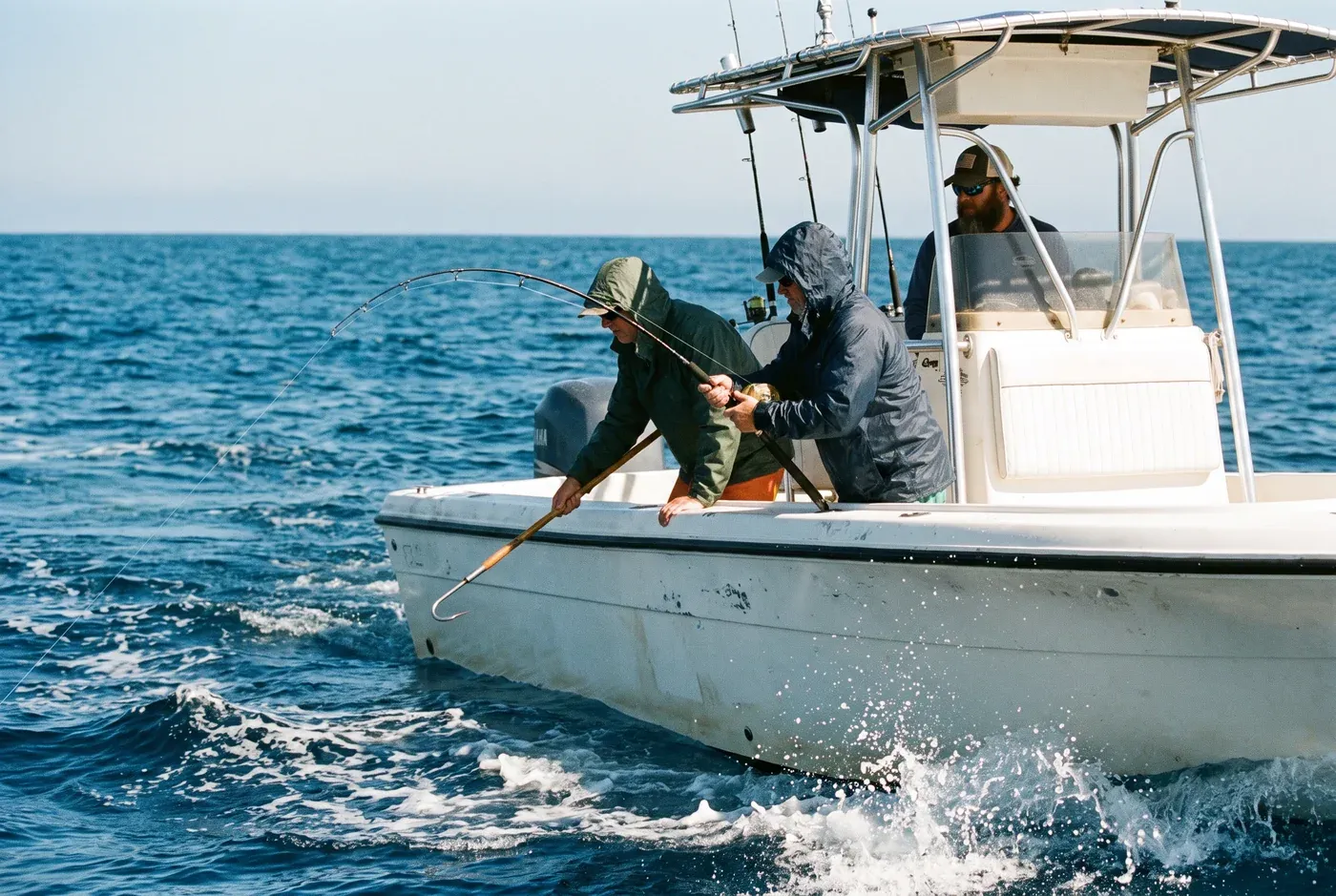
The fastest way to learn is to spend a morning with a guide who fishes Steinhatchee every week. You will see how the boat is set up, how the tide is read, how bait is presented and how a fish is landed. You will also find out whether you actually enjoy it before you spend money on gear.
More than twenty local inshore and offshore captains work from our marina, and we match boaters with an available guide. Reel Song Fishing Charters, run by Captain Mike Duttenhaver, is based here: a second-generation Steinhatchee guide with fifteen years on the water, whose father chartered out of this river for thirty-five years. Inshore redfish and trout trips and family scalloping runs are their stock in trade. See the charter page for the details and how to book.
Go with an open mind and ask questions. Guides are used to beginners, and a good one will hand you the rod when it matters.
Learn the water before you learn the tackle
Fishing here is less about fancy gear and more about understanding what the water is doing. The Big Bend is shallow, the flats are thick with grass, and the tide moves fish onto and off structure twice a day. Learn to read that and you will catch fish with basic tackle. Ignore it and the best rod in the store will not help.
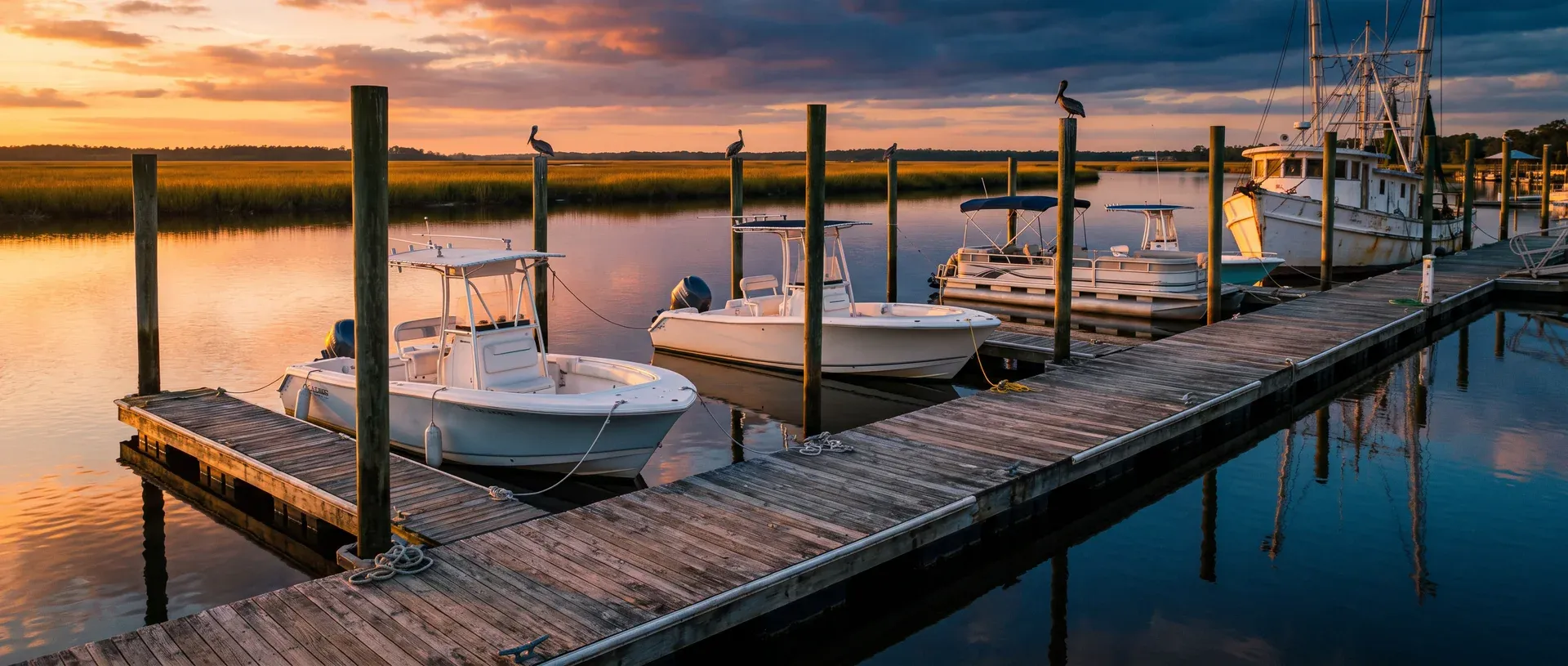
- The river: the Steinhatchee River runs past the marina and out through Deadman’s Bay, with channel edges, docks and creek mouths to fish along the way.
- The flats: grass flats hold trout, redfish and the bait they feed on. Approach quietly and fish the edges.
- The tide: moving water is usually better than slack water. Check the tide before you plan the day.
Our weather and tides page is the place to start each morning, and the fishing guide explains the seasons and the species.
Gear you actually need
When you are ready to buy, keep it small: one medium spinning rod, a reel that balances it, line, circle hooks, a few jig heads, soft plastics, pliers, a cooler and a life jacket. That kit will fish the river, the bay and the nearshore rocks. Add a second rod later if you find yourself switching between live bait and lures often.
Our ship store stocks live bait, rods and reels, line, tackle and ice, so you can build the kit over a few visits instead of all at once. Buy the basics first and let the rest wait.
Find your people
Fishing is a social sport disguised as a solitary one. The dock at 6 a.m. is full of people comparing notes, and the bar is full of people comparing notes about the ones that got away. Listen more than you talk, and you will pick up more local knowledge in a month than you will from any video.
Live music runs several nights a week at the Marina Bar, usually from 7 to 11 p.m., which makes it an easy place to meet other boaters and anglers. Bring a photo of your first fish. Someone will tell you where they would have caught a bigger one.
That is the whole path: one trip with a guide, a basic rod, a tide chart and a few conversations on the dock. The rest is time on the water.