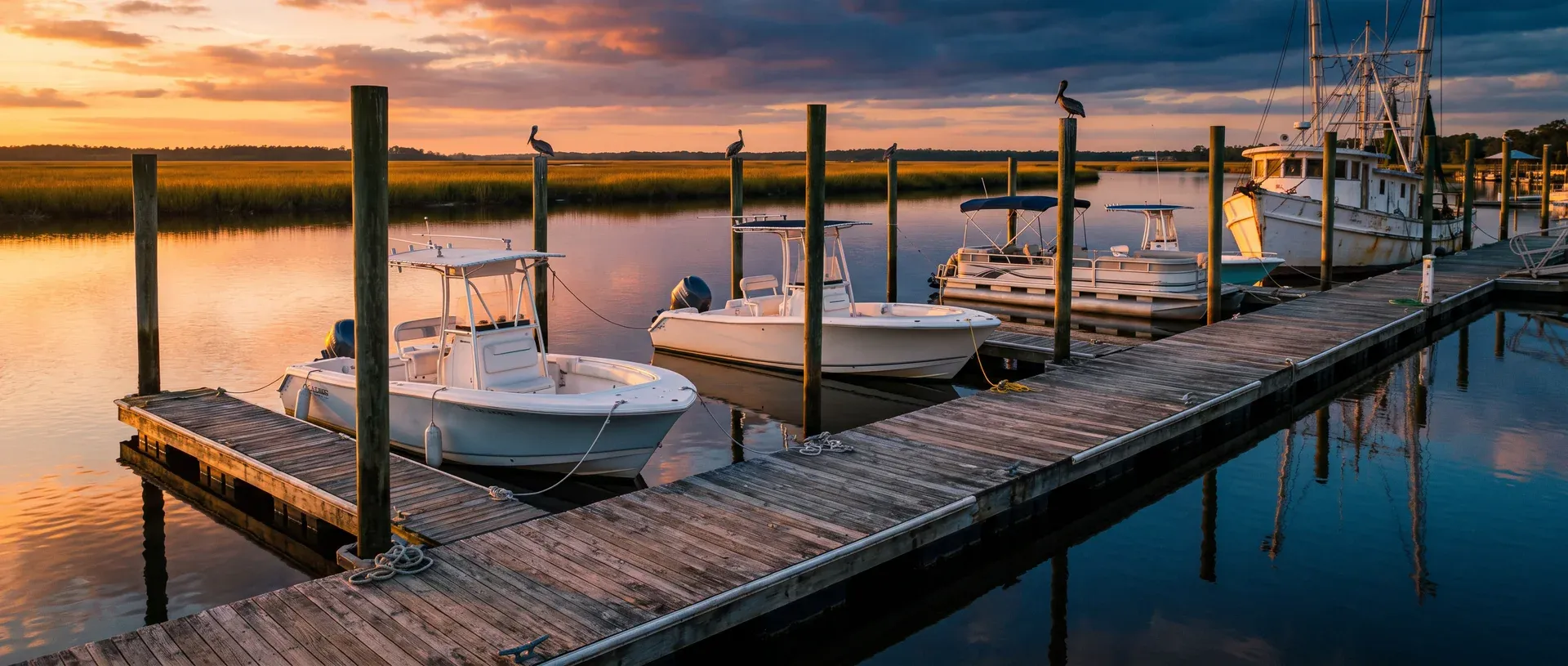
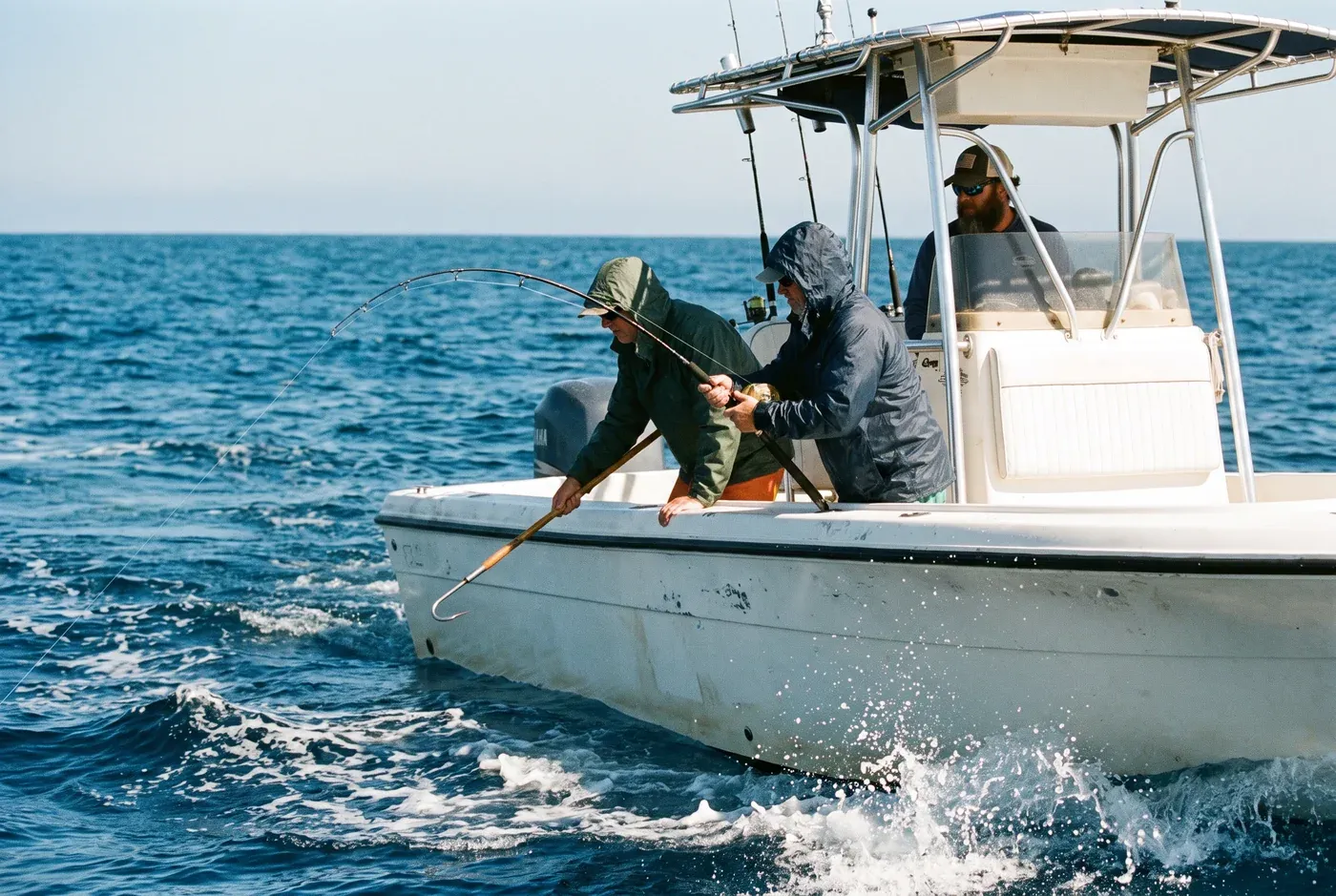
January on the Steinhatchee flats is not a month for wide-open fishing. It is a month for reading the water carefully, fishing slowly and being happy with a handful of good fish. The anglers who do well in January are the ones who stop looking for the whole flat to be alive and start looking for the few places where fish are stacked up.
Where the fish go when the water is cold
Cold water pushes fish out of the shallows and into places that hold a little more warmth and a little more depth. On the Steinhatchee River, that means channel edges, the deeper holes and the structure along the docks. Out in Deadman’s Bay and on the flats beyond, it means darker bottom, potholes and the edges where shallow grass drops into deeper water.
Darker bottom absorbs more sun, so a dark mud or rock patch can be a little warmer than the sand around it. Fish find those patches and stay on them. If you can see the bottom in clear winter water, look for the dark shapes and fish the edges rather than the middle.
The river itself is often the most reliable water in January. It is deeper than the flats, it holds bait, and it stays fishable when the wind is up. Redfish and trout both use it through the winter, along with sheepshead and black drum around the pilings.
Slow baits, small profiles
Everything about January fishing is slower. A cold fish will not chase, so the bait needs to come to it. That means long pauses, gentle lifts and a presentation that looks like something easy to eat.
- Live bait: a live shrimp or small baitfish on a light leader, fished slowly near the bottom or under a float along channel edges.
- Soft plastics: small paddle tails and jerk baits on light jig heads, dragged and paused rather than hopped aggressively.
- Hard baits: slow-sinking lures worked with long pauses over dark bottom, especially where the water is clear.
- Bottom fishing: a piece of shrimp on a small hook for sheepshead and black drum around structure.
Downsize your leader as well. Clear winter water makes fish line-shy, and a lighter leader will get more bites than a heavier one, even if you lose the occasional fish.
Fish the middle of the day
January mornings can be genuinely cold, and the bite often does not start until the sun has been on the water for a few hours. Plan to fish from late morning through mid-afternoon, when the shallows have warmed and the fish have moved up to feed.
Wind matters as much as temperature. A light southerly will warm the water and push bait onto the flats; a hard norther after a front will shut things down. Check the forecast the night before and again at the dock. Our weather and tides page is the first thing we look at on a winter morning.
If a front is coming through, fish the day before it arrives. Those are often the best conditions of the month, with fish feeding hard ahead of the change.
Keep it simple and stay warm
You do not need a special winter tackle box. The same medium spinning rod you use in fall will handle January fish, and a handful of jig heads, soft plastics and circle hooks covers most situations. Add warm layers, gloves, a thermos and a dry bag for your phone, and you are ready.
Our ship store carries live bait, line, tackle and ice, so you can top up before you leave the dock. If you would rather learn the winter pattern from someone who fishes it every week, the marina can match you with an available guide; read the fishing guide for the seasonal overview and the charter page for booking.
January rewards patience. Fish a spot properly before you move, and when you find the right edge, stay on it.