Red snapper is one of the most regulated fish in the Gulf of Mexico, and its season is rarely the same two years running. If you are planning an offshore trip out of Steinhatchee, the dates are the first thing to check and the last thing to assume.
Check the dates before you plan
Recreational red snapper seasons in the Gulf are set by NOAA Fisheries for federal waters, and Florida manages its own state waters through the Florida Fish and Wildlife Conservation Commission. The two do not always line up, and the season can change in length, structure and the days of the week it is open from one year to the next.
That means no article, including this one, can tell you the dates for your trip. Look up the current rules at myfwc.com and on the NOAA Fisheries site before you book, and check again the week you travel. A season that was open when you planned the trip may have closed by the time you launch.
Gear and handling rules
Red snapper fishing comes with more than a bag limit. Depending on where and when you fish, you may need specific hooks, and you may be required to carry tools for releasing fish that come up from deep water. Venting tools and descending devices are common requirements in Gulf reef fisheries, and circle hooks are required in some situations. Check the current rules for the area you plan to fish rather than relying on what was required last year.
Handling matters too. A fish released in good condition has a better chance of surviving, and the rules around release gear exist for that reason. Keep a dehooking tool, a pair of pliers and a wet towel within reach, and take the extra minute to release fish properly.
Where the fish are
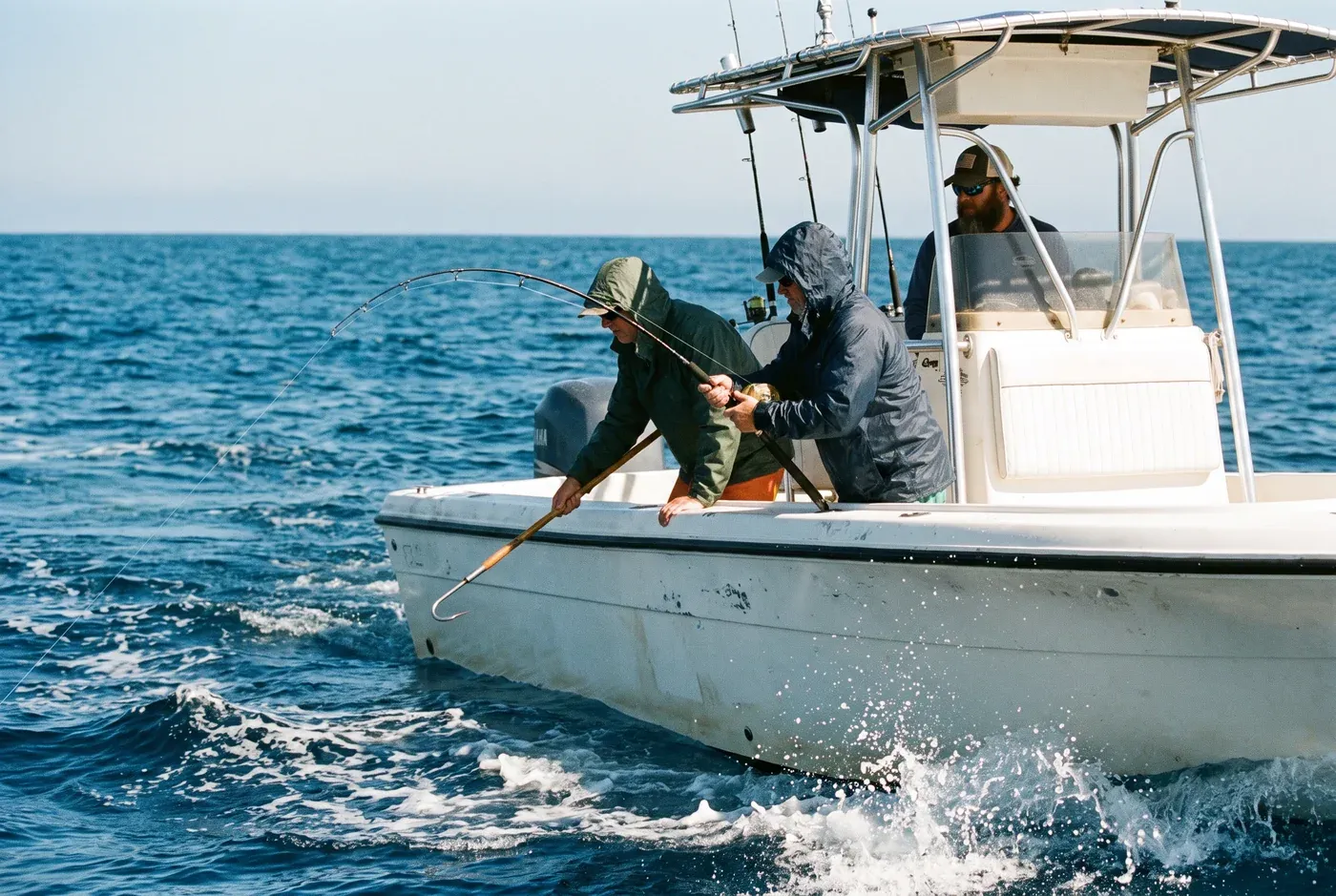
Red snapper hold on natural bottom and artificial reefs offshore from Steinhatchee, and they are not the only reason to make the run. The same trips produce gag and red grouper, mangrove snapper, kingfish, cobia and amberjack, depending on the season and the depth. Offshore fishing here is a full day on open water, not a quick run from the river mouth.
Weather decides more offshore trips than anything else. Check the marine forecast for the Big Bend and be willing to move a trip if the wind does not cooperate. A calm day offshore is worth waiting for.
Plan the run properly. An offshore day starts early, often before first light, and you will want a full fuel load, water, food, sun protection and a life jacket for everyone on board. File a float plan with someone ashore, carry a working radio and keep an eye on the sky, because summer storms build quickly out there. Coming home tired is normal. Coming home short of fuel or daylight is not.
Booking an offshore trip
If you do not have a boat capable of running offshore, a charter is the practical route. More than 20 local inshore and offshore captains work from our docks, and we match boaters with an available guide. Tell us what you want to fish for and how far you are willing to run, and we will point you toward a captain who fishes that way.
Book early in a short season, because the good dates go first. Read the fishing charters page for how it works, check the fishing guide for what else is biting, and look at weather and tides before you commit. Then confirm the season one more time. With red snapper, the rulebook is part of the trip.