Every season has its argument. Spring has the first warm days, summer has scallops and winter has the quiet. But ask the people who fish here most and a lot of them will tell you the best months are October and November. Three reasons explain why.
1. The water cools and the fish feed hard
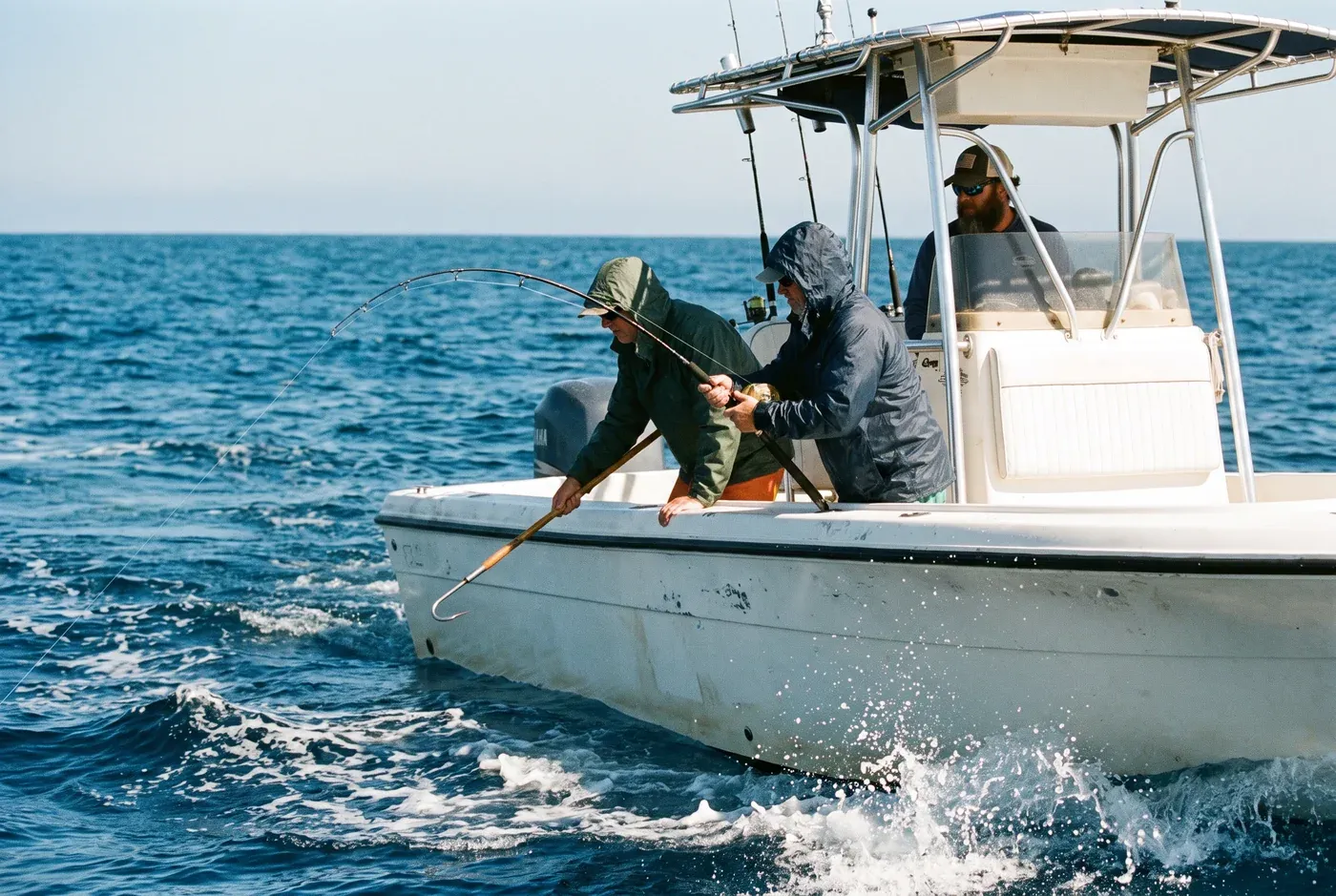
Summer on the Big Bend is hot, and the flats hold that heat. When fall arrives and water temperatures drop, redfish and spotted seatrout move out of their summer patterns and start feeding aggressively to build condition before winter. They are less picky, more willing to chase and easier to find in shallow water.
Cooler water also means you can fish comfortably all day. No midday shutdown, no heat exhaustion, no reason to be off the water by noon. A jacket in the morning and a long-sleeve shirt by lunch is about as hard as the wardrobe gets.
2. The bait floods the flats
Fall is when mullet and pinfish pour out of the creeks and spread across the grass. That movement pulls predators with it. Find the bait and you find the fish, and in fall the bait is often visible: spraying schools, diving birds, nervous water along a shoreline.
That makes the fishing more visual than at any other time of year. You can run a flat, watch for activity and stop when you see it, rather than blind-casting the same stretch of grass for an hour. Topwater plugs work well early, and soft plastics on a jig head pick up fish once the sun is up. Live shrimp and pinfish remain the most reliable bait of all.
3. The crowds leave
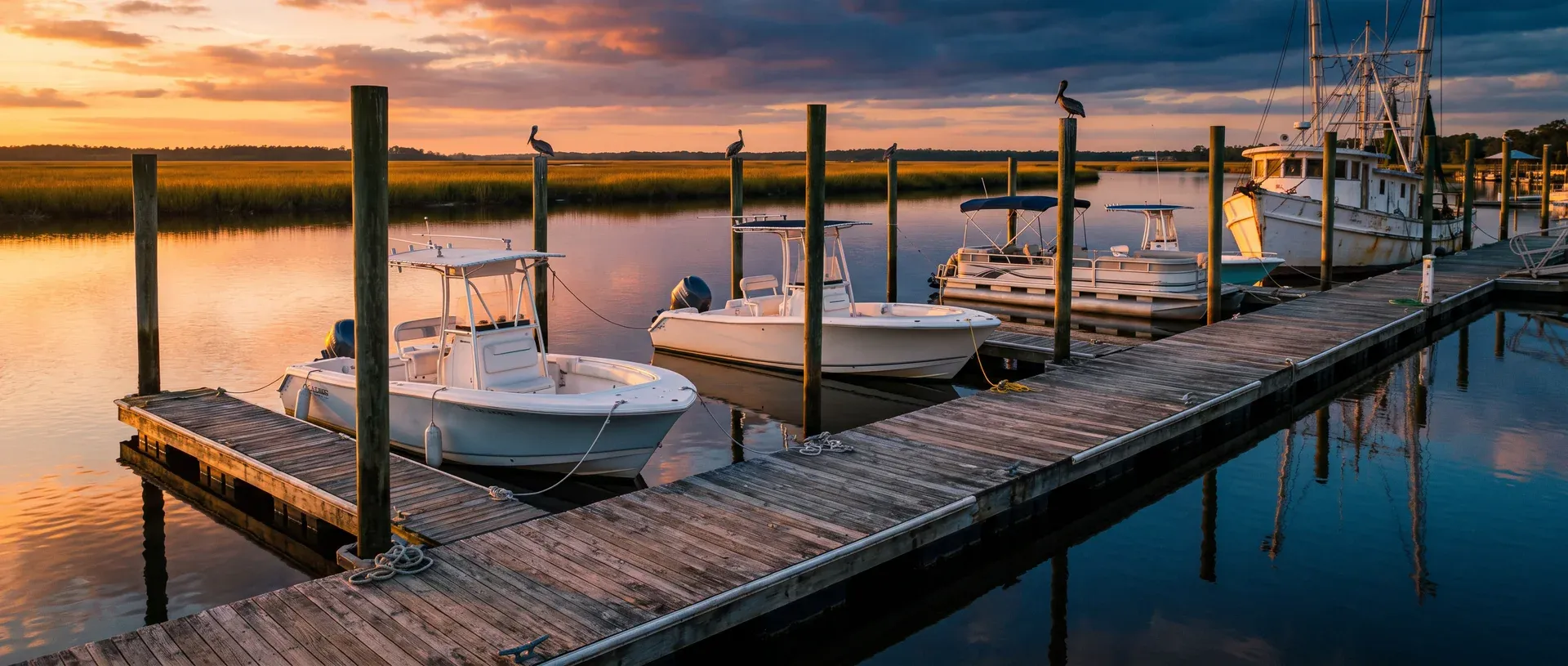
Scallop season ends on Labor Day, and with it goes the summer rush. The ramp is quieter, the river is calmer, and the flats are yours again. You can fish a favourite spot without working around a dozen other boats, and you can find a transient slip without planning weeks ahead.
The town slows down in a good way. The bar deck is easier to get a seat on, the live music still plays several nights a week, and dinner after a day on the water feels like the end of a proper day rather than the middle of a crowd.
That quiet has a practical value. Fewer boats mean less pressure on the flats and less wake rocking the grass where fish are feeding. It also means you can take your time working a shoreline instead of rushing to beat someone to the next spot.
Making the most of it
Plan around the tide. The moving water on the rising or falling tide is when the fish feed, and a slack tide in the middle of the day is a good time to eat lunch. Check the forecast as well, because a cold front can shut things down for a day or two and then turn the fishing on again as it clears.
Keep your tackle simple. A topwater plug, a handful of soft plastics on jig heads and a pack of live shrimp will cover most fall days. Add a jacket and a pair of polarized glasses and you are ready.
Book a boat or a charter early if you are coming for a weekend, since the good fall weather draws people who know what they are doing. Our fishing charters page lists how we match boaters with local captains, and the fishing guide covers species and spots. Check weather and tides before you drive, and bring a jacket. Fall is the season locals wait for, and it is worth the wait.