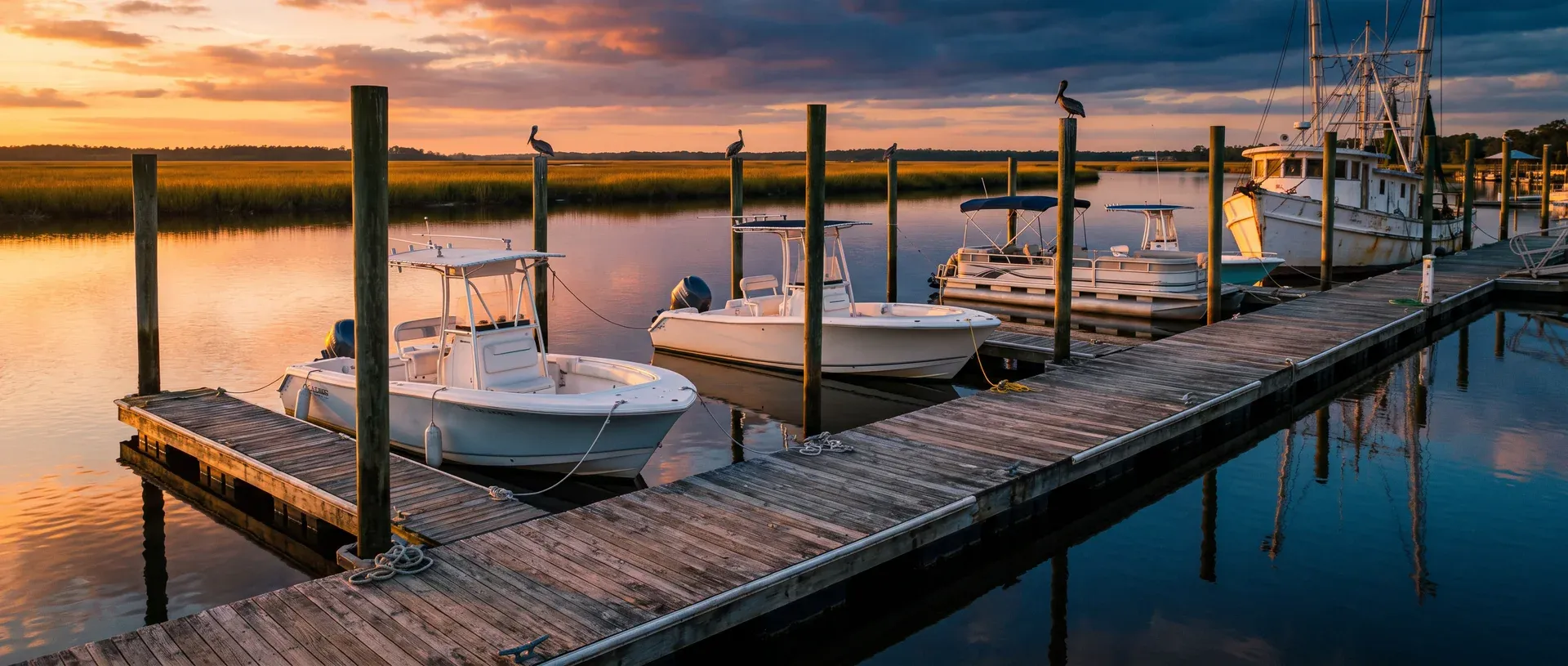
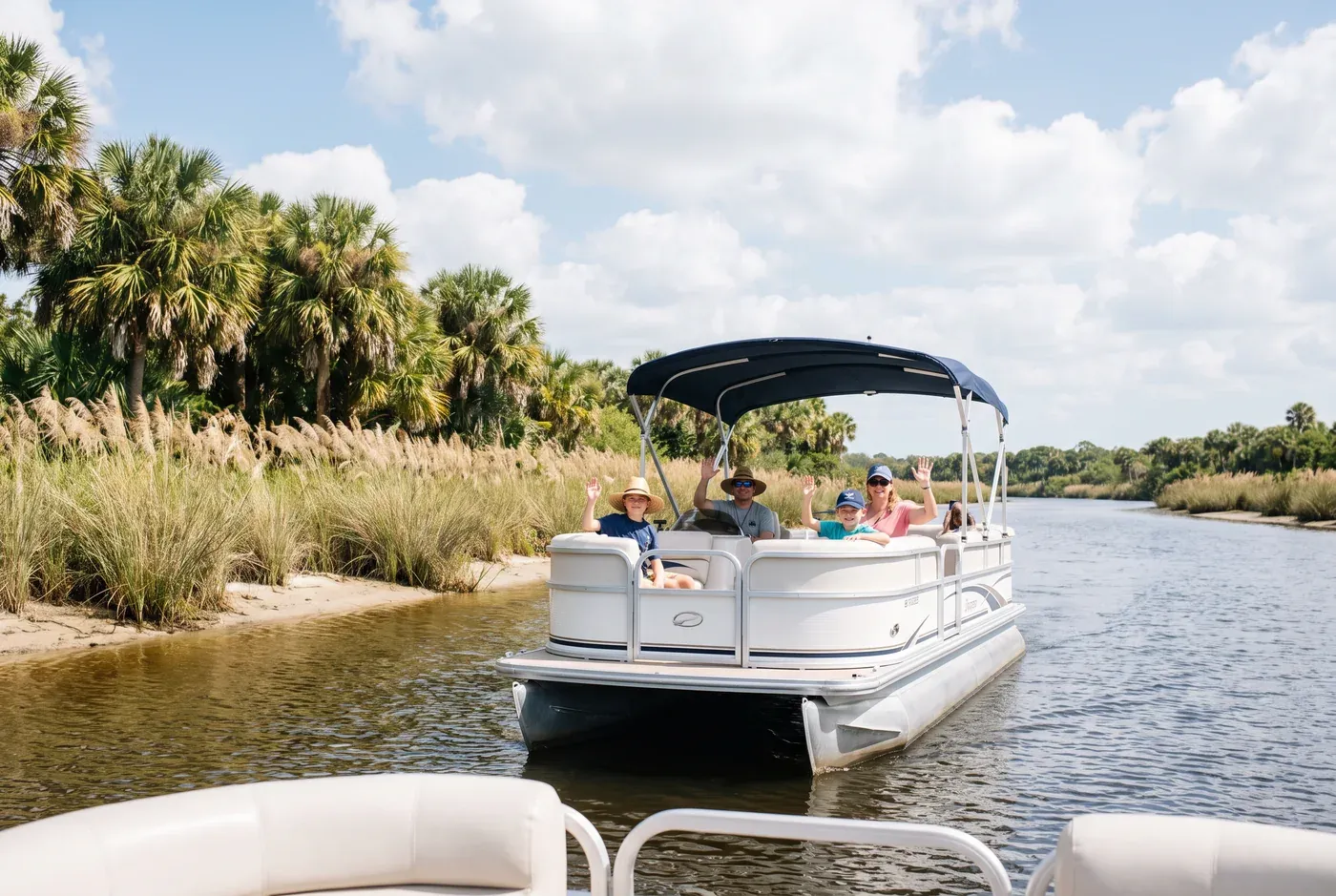
The first season with a boat is the most dangerous one, not because new owners are careless but because everything is unfamiliar. The channel looks wider than it is, the weather changes faster than the forecast suggested, and the trailer behaves differently at the ramp than it did in the driveway. A few habits make that first year a lot less eventful.
Wear the life jacket, do not stow it
Florida requires a life jacket for every person aboard, and children have their own rules. But the requirement is the floor, not the standard. A life jacket in a locker does nothing for a person who goes over the side in cold water. Wear it, especially alone, especially in winter, and especially if you are not a strong swimmer.
Fit matters. A jacket that rides up around your ears when you pull on the shoulders is too big, and one that will not close is too small. Check the fit on every passenger before you leave the dock, and check the jackets themselves once a season for torn straps and worn zippers.
Check the weather and the tide
On the Big Bend, the wind decides whether the day is pleasant or miserable. A 15-knot breeze that is fine on the river can make the open bay uncomfortable in a small boat, and the shallow water stands up fast when the wind opposes the tide. Look at the marine forecast the night before and again in the morning, and be willing to change the plan.
The tide matters just as much. The bay empties a long way, and the flats that were three feet deep at noon can be ankle-deep by late afternoon. Know when low water arrives, and do not plan to run home across a flat at the bottom of the tide. Our weather and tides page is a good place to start each morning.
Know the water and the rules
- Stay in the channel on the Steinhatchee River. Controlling depth is about 3.5 feet, with 5.5 feet mid-channel, and the edges are shallower than they look.
- Learn the markers. Red and green daymarks, no-wake zones and idle zones are not suggestions, and the river gets busy on summer weekends.
- Clip on the kill switch whenever you are running. If you go over the wheel, the engine stops.
- Give way properly. Learn the right-of-way rules for crossing, meeting and overtaking before you need them.
- Carry a VHF radio if you are heading offshore. A phone is not a substitute once you are out of signal.
- No drinking at the helm. It is illegal, and it is the fastest way to turn a good day into a bad one.
File a float plan, and practise
File a float plan before every trip: where you are launching, where you plan to fish, and when you expect to be back. Leave it with someone on shore who will notice if you do not call. If plans change on the water, tell them that too. A float plan turns a search into a rescue.
Before your first run, take the free Florida boater safety course at boatus.org/florida. It covers the rules of the road, markers, safety gear and emergencies, and it is a genuinely useful evening. Florida requires the certificate for many younger operators, so check the current FWC requirements if you were born after the cutoff. At our marina, operators aged 21 to 28 must have the certificate before taking out a rental boat, and we ask for it at check-in.
Take the boat out on a quiet weekday and practise the things that go wrong: docking in wind, recovering a person over the side, anchoring, and using the radio. Do it while the water is calm and nobody is watching. The first time you try something should not be the day it matters.
If you have questions about the river, the channel or the ramp, stop by the dock and ask. Our staff would rather answer them on land than hear about them on the water. The FAQ page covers the common ones, from launch etiquette to what to do when the weather turns.