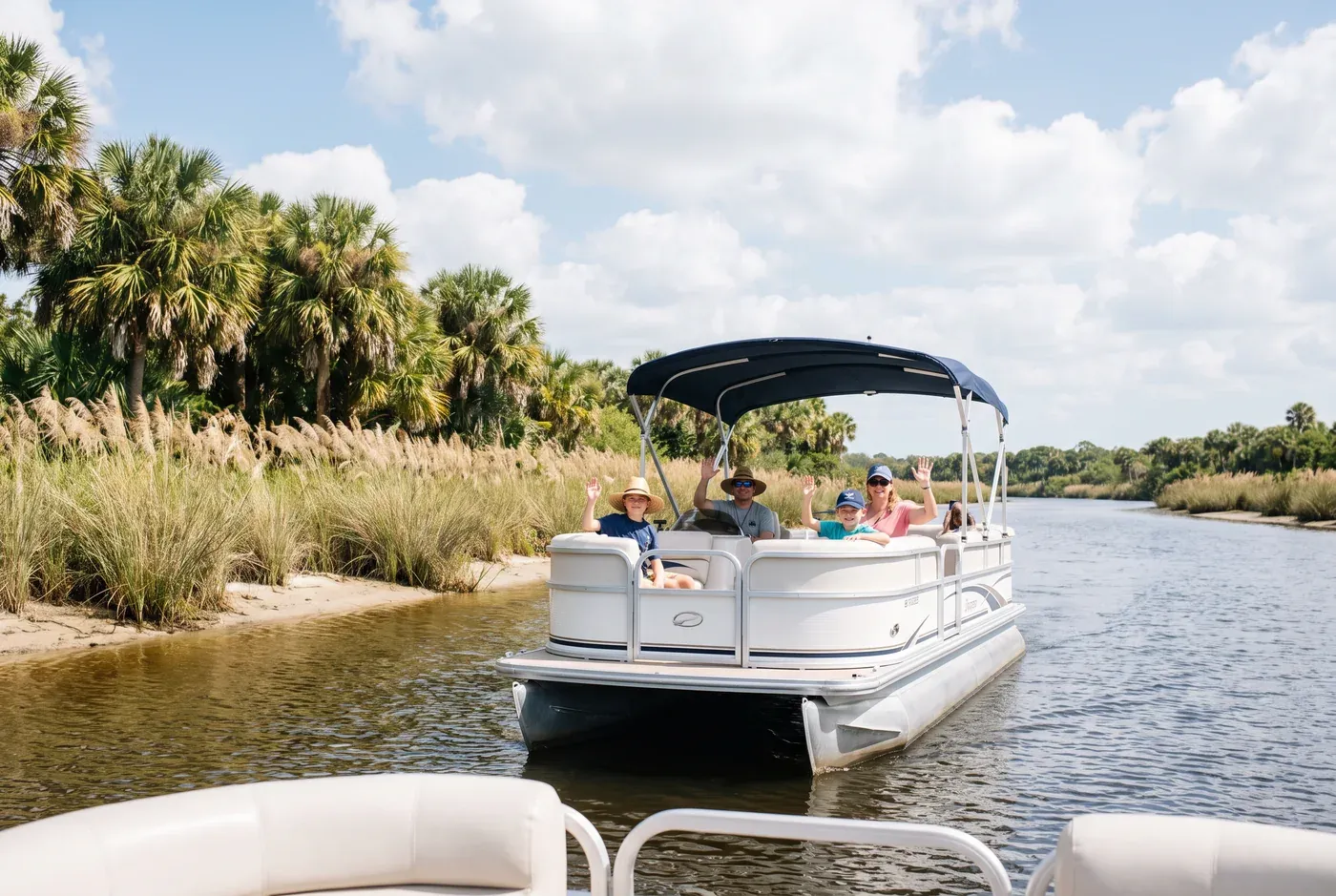
On a busy summer weekend, the Steinhatchee River is a two-lane road with no lane markings. Courtesy is what keeps it moving.
Most boaters here are considerate, and the ones who are not usually do not know they are causing a problem. A little awareness of wake, speed and space makes the river safer for everyone, from the kayaker in the shallows to the family loading a cooler at the dock.
The river is a shared street
Idle zones exist for a reason. Slow to idle speed before you reach the docks, the ramp and the moored boats, and stay there until you are clear. The signs and markers tell you where; the courtesy is in following them even when nobody is watching.
Keep to the marked channel where one exists, and do not cut between a boat and the dock it is approaching. If you are unsure of the depth outside the markers, assume it is shallower than you think.
Give other boaters time to react. A boat leaving a slip, a kayak crossing the river and a skiff idling at the ramp all need a few seconds of your patience. A wave, a nod or a brief slowdown communicates more than a horn.
Passing and wake
- Give kayaks and paddleboards room. Pass at idle speed or well off plane, and leave enough space that your wake does not reach them.
- Do not swamp an anchored boat. Fishermen anchored on a flat cannot move quickly; slow down before you pass.
- Pass on the side the other boater expects. In a narrow channel, the boat going downstream usually has the right of way; when in doubt, slow down and make eye contact.
- Watch your wake near the ramp. A wake that rolls into the launch can push a trailer off the concrete or swamp a boat being loaded.
Protect the grass
The seagrass flats are the engine of this fishery. They shelter bait, hold scallops and feed the trout and redfish everyone comes for. Running a prop through them tears up years of growth in seconds. If the water is too shallow to run, pole, troll or drift. Trim up and take the long way around.
In scallop season, the flats are full of snorkelers. Give them a wide berth, fly your own divers-down flag when you are in the water, and never run through a group of boats at speed to find a spot. There is plenty of grass out there.
At the ramp and the dock
Load your gear in the staging area, not on the ramp. Launch one boat at a time, and move clear once your boat is off the trailer so the next person can use the ramp. If someone is struggling, offer a hand; we have all been the person with a trailer at a bad angle.
On the water, keep your radio traffic brief and on a working channel, and save the chatter for the dock. A mayday call needs a clear channel, not a conversation about where the fish were biting.
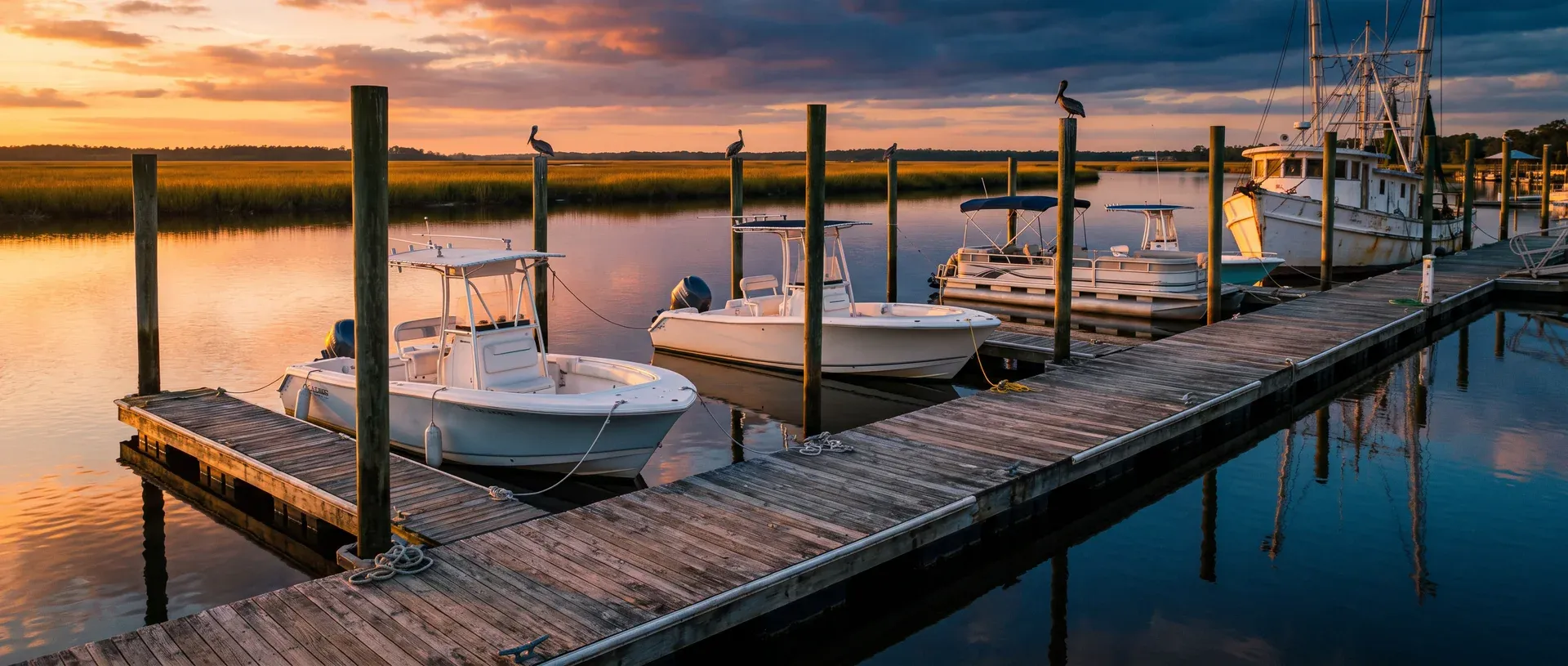
At the dock, tie up, unload and move on. At the transient dock, keep your lines tidy and your music low. Our dock staff can point you to the right slip and the rules for the basin. If you are new to the river, the tide and weather pages will help you plan a day that does not depend on luck.
None of this is complicated. It is the same courtesy you would show in a parking lot, applied to a place where the stakes are a little higher and the view is a lot better.